President Biya subsidizes Hajj 2024 with FCFA 1.5 billion
The act of subsidizing the Hajj pilgrimage is a significant gesture that reflects the importance of this spiritual journey for Muslims. The Hajj, one of the five pillars of Islam, is a mandatory religious duty for Muslims that must be carried out at least once in their lifetime by all adult Muslims who are physically and financially capable of undertaking the journey and can support their family during their absence.
The subsidy provided by President Biya, amounting to FCFA 1.5 billion, is a substantial contribution that will undoubtedly ease the financial burden on Cameroonian Muslims wishing to fulfill this religious obligation. This move can be seen as a reflection of the government’s recognition of the cultural and spiritual significance of the Hajj, as well as its commitment to supporting religious practices.
Such financial assistance could potentially increase the number of pilgrims able to participate in the Hajj, allowing more individuals to experience this unique aspect of their faith. Moreover, the provision of special gifts, such as cans of Zam-Zam water, further demonstrates a thoughtful consideration of the pilgrims’ needs during their sacred journey.
The equitable distribution of funds at departure airports, facilitated by designated bank counters, also indicates a well-organized approach to ensuring that the subsidy reaches the intended beneficiaries efficiently and fairly.
Overall, the subsidy for the Hajj pilgrimage by President Biya is a commendable initiative that not only supports the religious aspirations of many but also promotes the values of generosity and community support within society. It is a gesture that likely resonates with the spirit of unity and solidarity that the Hajj itself represents for Muslims around the world.

Cameroonian Muslims embarking on the annual pilgrimage to Mecca have been allocated more than FCFA 1.5 billion to subsidize the Hajj journey.
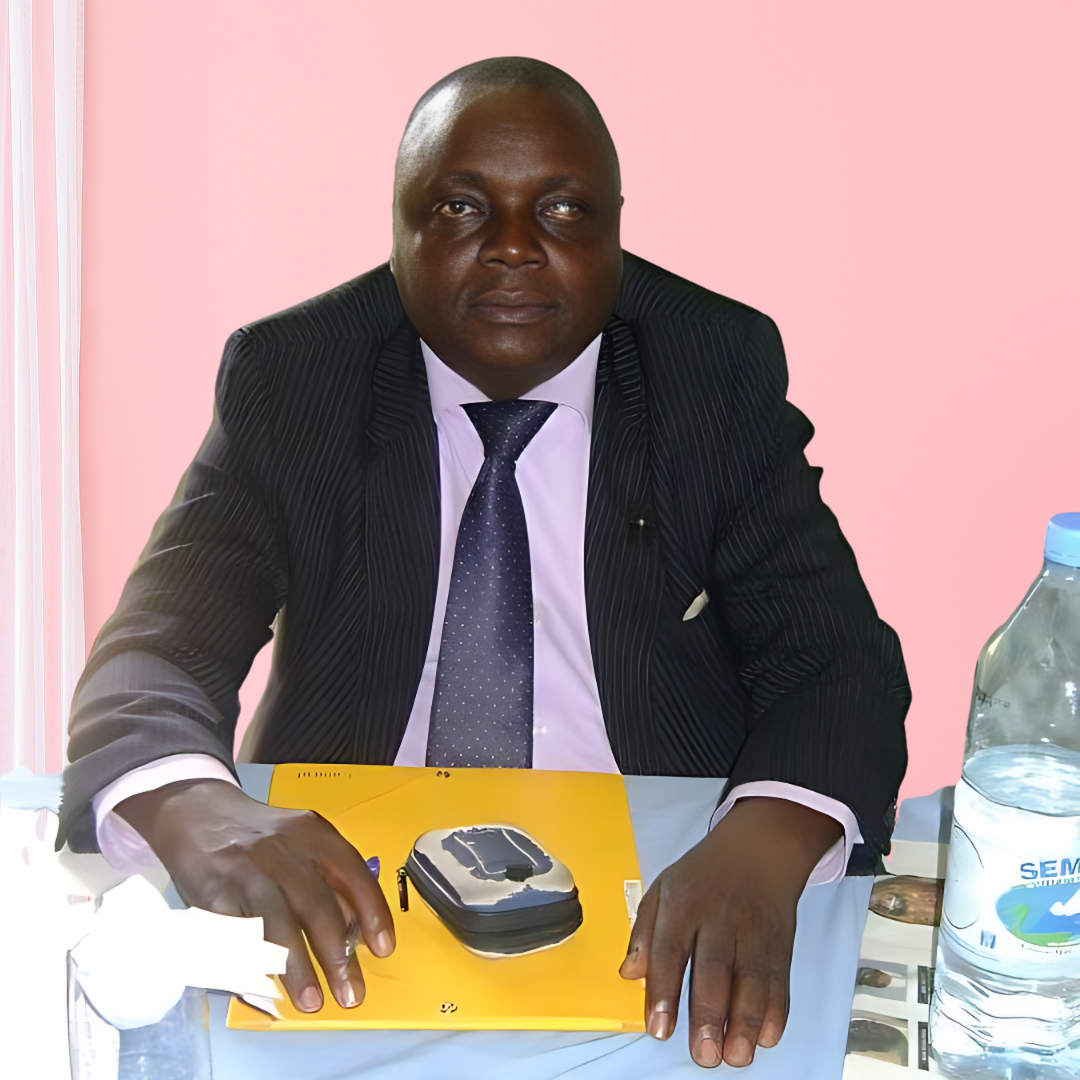
The announcement was made by Cameroon’s Minister of Territorial Administration, Paul Atanga Nji, who also serves as the President of the National Hajj Commission.
Describing the gesture as an act of benevolence from President Biya, Minister Atanga Nji revealed that a substantial sum of 1,560,000,000 CFA francs has been earmarked to assist pilgrims participating in the 2024 Hajj.“To allow a greater number of faithful to perform the pilgrimage to the holy land, the Head of State, His Excellency Mr. Paul Biya, in his legendary magnanimity, was kind enough to grant an additional grant of one billion five hundred and sixty million (1,560,000,000) CFA francs for the 2024 Hajj,” the press release from MINAT read.
According to Atanga Nji, “Supportl support, which comes the day after the end of the fast in the month of Ramadan, will reduce the cost of the pilgrimage and make the stay of our faithful in the Holy Land more pleasant.”
The Minister emphasized that the funds would be equitably distributed among pilgrims at departure airports, with designated bank counters set up to facilitate the process.
Notably, the financial assistance provided by President Biya has enabled the cost of Hajj transportation to remain consistent over the past three years, despite prevailing economic challenges.
According to earlier reports, each pilgrim is required to contribute FCFA 3,267,942 towards the cost of the pilgrimage.
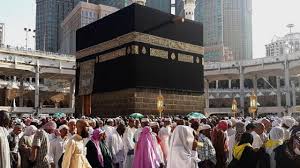
However, with the subsidy from the government, the financial burden on pilgrims is significantly alleviated.
In addition to financial assistance, President Biya has also provided special gifts for pilgrims, including 4,188 cans of 5 liters of holy water “Zam-Zam” per pilgrim, and transportation fare for their return journey after the pilgrimage.
Registration for the Hajj pilgrimage closed on March 15, with a total of 4,188 Muslims set to undertake the journey this year, representing an increase of 1,023 pilgrims compared to the previous year.
The 2024 Hajj is scheduled to take place from June 14 to 19, marking a significant religious event for Muslims worldwide.
The Hajj pilgrimage, considered the fifth pillar of Islam, holds profound significance for believers and serves as a symbol of unity and faith.
For Muslims who are financially and physically capable, the Hajj represents a once-in-a-lifetime opportunity to fulfill their religious duties and strengthen their spiritual connection to the Islamic faith.