The Dynamics of Russian-African Relations: A Closer Look at Putin’s Engagement with Mali
In recent years, Russia’s foreign policy has shown a marked increase in engagement with African nations, a trend that has historical roots but has taken on new dimensions in the current geopolitical climate. The recent talks between Russian President Vladimir Putin and Mali’s junta leader, Colonel Assimi Goita, underscore this strategic pivot towards Africa, particularly the West and Central African regions.
The discussions, which focused on security and economic cooperation, come at a time when Mali is navigating a complex security landscape. The country has been grappling with insurgencies since 2012, which have destabilized the region and prompted shifts in international alliances. The phone conversation between Putin and Goita, reportedly initiated by the Malian side, paid particular attention to trade and economic relations, including the delivery of cereals, fertilizers, and fuel from Russia to Mali.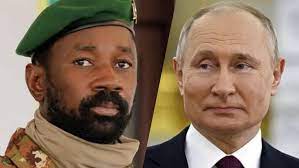
Colonel Goita expressed gratitude for Russia’s humanitarian aid and assistance in neutralizing the terrorist threat and stabilizing the situation in Mali. This dialogue is part of a broader pattern of Russian diplomacy in Africa, where Moscow is positioning itself as a partner without the colonial baggage that characterizes some Western nations’ histories on the continent.
Mali, under junta rule since August 2020, has shifted away from its long-standing alliance with France and other Western partners in combating jihadism, turning instead to Russia for political and military support. This has included shipments of Russian military supplies and aircraft to bolster Mali’s armed forces.
Putin’s outreach to African leaders, including those of Mali and neighboring Niger, aligns with Russia’s efforts to strengthen relations with the continent. These moves are part of a larger strategy to forge closer ties and cooperation in the fight against terrorism, as well as to deepen political, economic, and humanitarian connections.
The implications of these developments are multifaceted. On one hand, they reflect the evolving dynamics of international relations, where emerging powers are seeking to assert their influence in regions traditionally dominated by Western interests. On the other hand, they raise questions about the future of security and stability in the Sahel region, as well as the role of external actors in local governance and development.
As the situation unfolds, it will be crucial to monitor the impact of these engagements on the ground, particularly in terms of human rights, governance, and regional stability. The international community, including regional organizations and non-state actors, will play a significant role in shaping the outcomes of these interactions.
The case of Mali and Russia’s involvement presents a microcosm of the broader shifts occurring in global politics. It highlights the importance of understanding the motivations and consequences of international partnerships, especially in regions facing significant security challenges. As such, the dialogue between Putin and Goita is not just a bilateral matter but a reflection of changing global currents that warrant close observation and analysis.

Security and Economic Cooperation were top on the agenda of the call between them
In recent years, Mali has become an important African ally for Russia. They have deployed the Wagner Group, a private military contractor, to address the threat of jihadist insurgencies in the Sahel region. This strategic partnership highlights Russia’s aspirations to establish itself as a supportive ally without a history of colonization, which resonates with various African nations looking for alternative alliances.
Putin’s diplomatic efforts go beyond Mali, as he engages in discussions with leaders from other regions. During a separate conversation, the President of the Republic of Congo, Denis Sassou Nguesso, and Putin agreed to strengthen political, economic, and humanitarian cooperation.
The deepening connections between Russia and West African nations have led to notable changes in the geopolitical landscape. After Niger decided to cancel its military agreement with the United States on March 17, Putin reached out to Niger’s junta leader, Abdourahamane Tiani, stressing the importance of strengthening security and economic cooperation.
This break in long-standing alliances extends beyond Niger alone. Mali and Burkina Faso have also ended their military relationships with long-standing allies, like France, and have turned to Russia for support instead. In addition, the establishment of the Alliance of Sahel States (AES) by these nations, coupled with their choice to exit the West African regional bloc, indicates a significant shift in the geopolitical dynamics of the region.
The emergence of the AES highlights the collaborative efforts of Sahel states in tackling common security challenges, specifically the ongoing threat posed by Islamist insurgencies. This display of solidarity highlights a growing trend of regional cooperation in addressing intricate security challenges, indicating a move away from depending on outside forces.
However, there has been some debate surrounding these developments. Before the decision to revoke the military accord with the United States, U.S. officials had warned Niger’s junta leaders about their growing connections with Russia and Iran. The geopolitical tensions in the Sahel region highlight the complex dynamics at play, as various actors compete for influence in a shifting geopolitical landscape.
As leaders across West and Central Africa interact with Putin, the growing presence of Russia in the region marks a significant development in African geopolitics. The realignment of alliances and the establishment of fresh collaborations highlight the intricate interplay of interests that are shaping the region’s path, with far-reaching implications that transcend its boundaries.