
The Food Waste Crisis: A Call to Action
The recent United Nations report on food waste is a stark reminder of the paradox that haunts our global society: the coexistence of hunger and food surplus. According to the UN Food Waste Index report, an alarming one billion meals are discarded every day, while over 730 million people suffer from hunger. This situation not only exacerbates the hunger crisis but also significantly contributes to environmental damage.
The 2024 Food Waste Index Report by the UN Environment Programme (UNEP) reveals that the issue of food waste is not confined to affluent nations but is a global phenomenon. The report highlights that a robust understanding of food waste is crucial for achieving Sustainable Development Goal (SDG) 12.3, which aims to halve per capita global food waste and reduce food losses along production and supply chains by 2030.
The environmental implications of food waste are profound. Estimates suggest that 8-10% of global greenhouse gas emissions are associated with food that is not consumed. This waste represents not only a loss of nutritional value but also a squandering of water, land, and energy resources used in production, exacerbating climate change and resource depletion.
The UNEP’s report transitions from merely measuring food waste to exploring actionable solutions. It emphasizes the importance of public-private partnerships in combating this issue and provides enhanced guidance on measurement methodologies across retail, food service, and household sectors. These methodologies are vital for countries to establish baselines, track progress, and prioritize sub-sectors for measurement.
The report’s findings are a call to action for individuals, businesses, and governments worldwide. It is imperative to adopt more sustainable consumption and production patterns, reduce food waste at all levels, and improve food distribution channels. By doing so, we can address the dual challenges of hunger and environmental sustainability.
As consumers, we can contribute to this effort by being mindful of our food purchases and consumption habits. Businesses can implement more efficient inventory and supply chain management to minimize waste. Governments can support these initiatives through policies that promote food donation, recycling, and recovery.
The UN report serves as a reminder that food waste is not just an environmental issue but a moral one. With one-fifth of all food going to waste, we have the opportunity—and the responsibility—to make a significant impact on hunger alleviation and environmental conservation.
The time to act is now. Let us heed the UN’s call and work collectively towards a future where food waste is significantly reduced, and no one goes hungry.
References:
: The Guardian
: UN Environment Programme
: UN Environment Programme
: UN News

Food Waste impacts negatively on world hunger and the environment – UN report
In 2022, a staggering amount of food waste was generated, totaling 1.05 billion metric tonnes. This amounts to approximately 132 kilograms per person and accounts for nearly one-fifth of all available food. Surprisingly, a significant portion of this waste happened within households, while food services and retail sectors were also responsible for a considerable amount. It is important to note that food waste is not limited to affluent nations, despite common misconceptions. A recent report by the UN highlights the similarities in household food waste across different income levels and regions. Interestingly, it suggests that countries with hotter climates tend to have higher per capita waste. It is quite remarkable that a mere 21 countries have included food loss and waste reduction in their national climate plans. This highlights a substantial gap in global efforts to tackle this issue.
Harriet Lamb, the CEO of WRAP, a UK-based global NGO, highlights the pressing requirement for collaborative efforts to address the detrimental impact of food waste on the environment, society, and economies. Lamb highlights the importance of G20 countries taking a more active role in measuring food waste and promoting Sustainable Development Goal (SDG) 12.3, which seeks to minimize food loss and waste. According to Lamb, the collaboration between the public and private sectors is crucial for achieving concrete outcomes, but it heavily relies on support from philanthropic, business, and governmental organizations.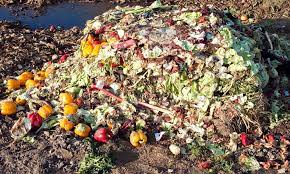
The significance of reducing food loss and waste is highlighted by SDG 12.3, as it aims to improve food system efficiency, ensure food security and nutrition, and promote environmental sustainability.
A recent collaboration in Cameroon between the government and the World Food Programme has shed light on the importance of school feeding programs in tackling hunger. These programs play a vital role in supporting thousands of vulnerable children by focusing on those who suffer from hunger. Understanding and tackling childhood hunger not only helps to alleviate suffering but also plays a role in reducing global food waste.
Addressing food waste necessitates collaborative endeavors at the local, national, and global scales. Through the implementation of school feeding programs and the promotion of public-private partnerships, societies can effectively address the significant consequences of food waste on food security, climate change, and economies.