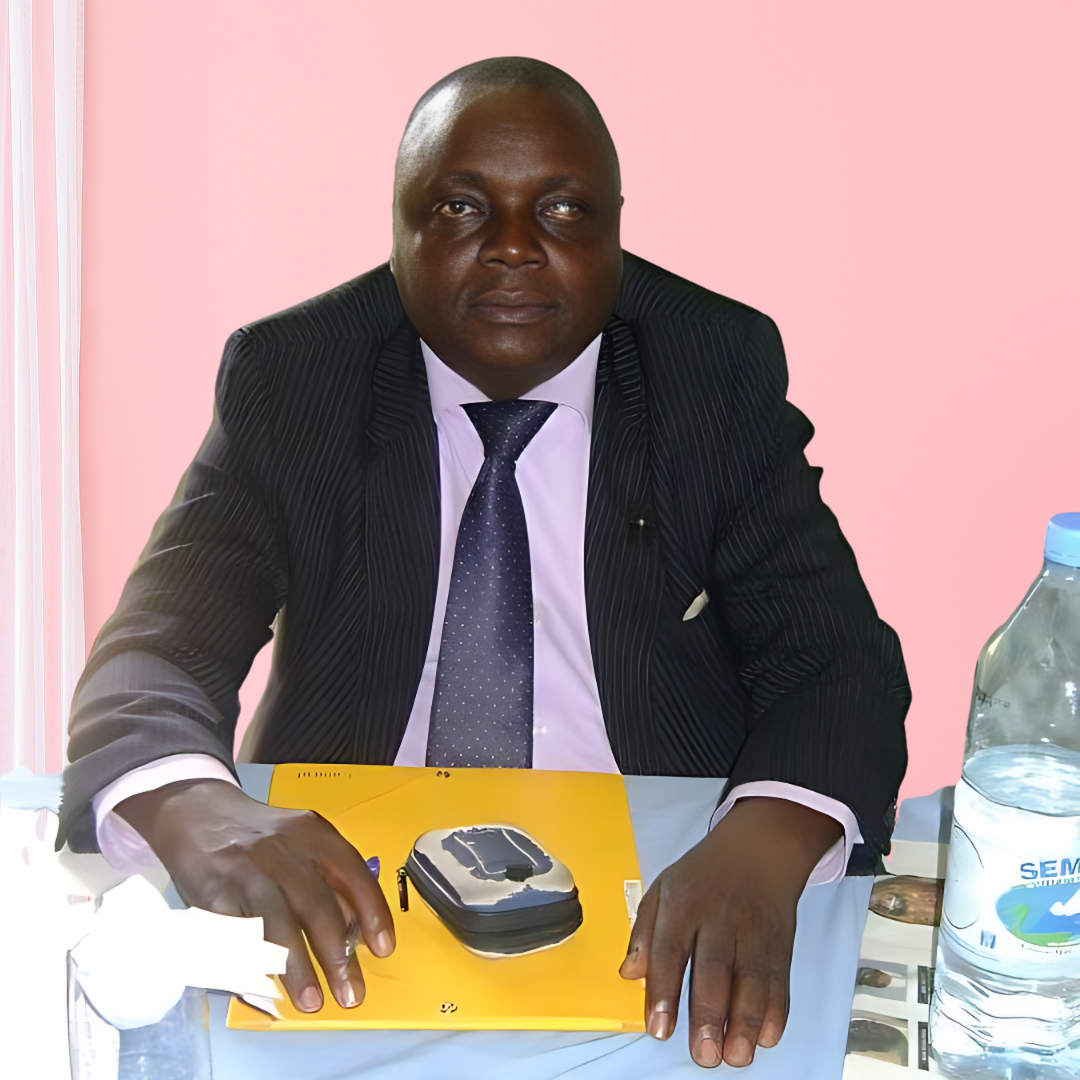
The Release of Bruno Bidjang: A Glimpse into Press Freedom in Cameroon

The recent release of Bruno Bidjang, the Vision 4 journalist and Managing Director of l’Anecdote Media Group, after a six-month incarceration for “spreading false news,” has reignited discussions on the state of press freedom in Cameroon. Bidjang’s case is a complex one, involving charges of spreading false news and a backdrop of political and social tension within the country.
Bidjang was arrested and sentenced by the Yaounde Military Court, a move that has been scrutinized by various international organizations advocating for press freedom. His arrest followed a video he posted, which led to charges against him. The Committee to Protect Journalists (CPJ) had called for his immediate release, emphasizing the right of journalists to comment on public affairs without fear of reprisal.
The media landscape in Cameroon is often described as challenging for journalists, especially when reporting on sensitive issues. The country’s ranking by Reporters Without Borders (RSF) and the score given by Freedom House in their press freedom index reflects the hurdles faced by the press in Cameroon.
Bidjang’s release, while a relief, does not alleviate the broader concerns about the media environment in Cameroon. It highlights the ongoing debate about the balance between national security, public interest, and the freedom of the press. The case also underscores the importance of continued dialogue and advocacy for the rights of journalists to operate freely and without undue interference.
As Cameroon navigates its path forward, the role of the press remains a pivotal one. The ability of journalists to report and comment on events without fear of legal repercussions is a cornerstone of any democratic society. The international community continues to watch and support those advocating for press freedom in Cameroon and around the world.