Unveiling the Circle: The Beneficiaries of Glencore’s 7 Billion Linked to Biya’s Associates
After several months of thorough investigations and pressure on the officials of Glencore, they have finally decided to release the names of the individuals to whom they paid billions in the context of the exploitation of Cameroonian oil.
According to the Cameroonian lawyer specializing in the fight against corruption, Me Akere Muna, prosecutions will be initiated (or not) against high-ranking officials of SONARA, SNH, key players in the exploitation of oil in Cameroon.
“This month, the Attorney General of the United Kingdom will decide whether or not to prosecute individuals in the context of the corruption scandal involving high-ranking officials of SONARA, SNH, and GLENCORE. The names of those involved will soon be revealed. Meanwhile, it takes us more than a decade to connect the key cities of Cameroon with a proper highway,” writes Akere Muna.

When the case broke, Glencore’s lawyers explained to the American justice system that they had paid 7 billion Fcfa to officials of the National Hydrocarbons Corporation (SNH) of Cameroon and SONARA for the exploitation of oil fields, marketing, and oil purchase contracts.
The American justice system has affirmed having all the evidence of the names and amounts paid to high-ranking officials.
So far, everyone on the Cameroonian side denies involvement. SNH has denied its involvement through a press release. Charles Metouck, who was the general manager of SONARA until 2013, denies having signed any contract with GLENCORE. Yet, as early as 2013, several reports were already indicating his relations with GLENCORE. That was 9 years ago.
Ibrahim Talba Mala, who replaced Charles Metouck at SONARA, now Minister of Public Contracts, has not officially reacted but also denies any involvement in the Glencore scandal.
But, at the heart of this case, is SNH. Four individuals must be urgently heard in this matter:
The Chairman of the Board: Ferdinand Ngo’o Ngo’o.
The Managing Director of SNH: Adolphe MOUDIKI.
The Technical Advisor No. 1 BERNARD BAYIHA (now deceased).
The Technical Advisor 2 JEAN JACQUES KOUM, Director of Gas
SIMON PALEY, Commercial Director of SNH and now General Manager of TRADEX.
To these, one must add: AGNES DOLANGE ONDIGUI who sits on the board of the ITIE.
The Glencore Case: A Glimpse into Global Corporate Accountability
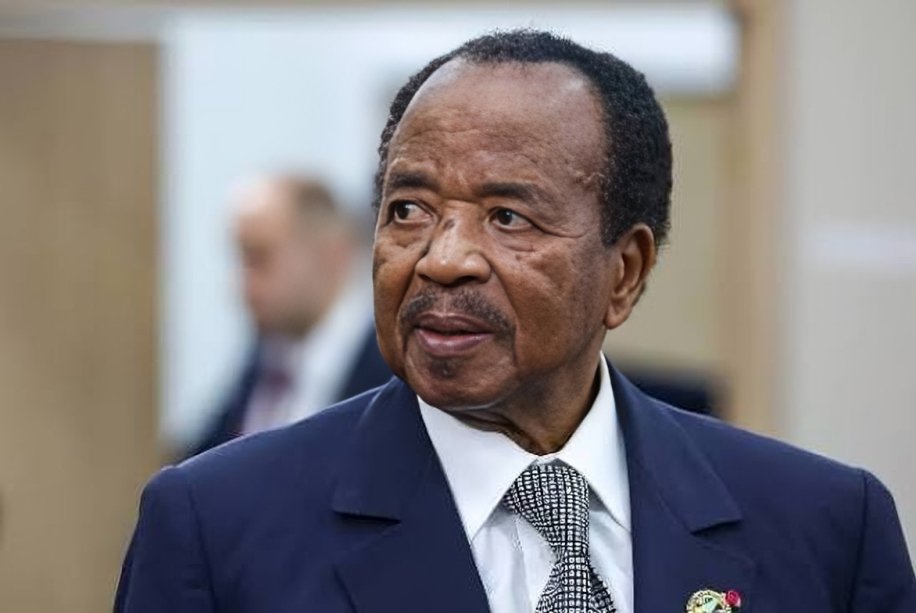
The recent developments in the Glencore corruption case have brought to light the intricate web of international business and its intersection with governance. President Paul Biya of Cameroon has taken a significant step by authorizing legal proceedings to involve the UK Serious Fraud Office (SFO) in the investigation. This move underscores the growing global intolerance for corporate misconduct and the importance of cross-border cooperation in rooting corruption.
Glencore, a Swiss commodities giant, has been scrutinised for its business practices. In 2022, the company pleaded guilty to charges of corruption and market manipulation, resulting in a substantial fine of £276 million ($352 million). The case highlighted the company’s efforts to bribe government officials across Africa to secure access to oil cargoes, a practice that undermines fair business competition and governance.
The decision to reopen the case and the potential for pressing charges against individuals involved signals a shift towards holding not only corporations but also individuals accountable for corrupt practices. It is a reminder that ethical business conduct is not just a legal obligation but a moral imperative that has far-reaching implications for societies and economies.
The Glencore case serves as a cautionary tale for businesses operating in the global market. It emphasizes the need for robust compliance programs and transparent operations. For governments, it is a call to strengthen legal frameworks and international partnerships to combat corruption effectively.
As the world watches the unfolding of this case, it will undoubtedly set precedents for future corporate governance and anti-corruption efforts. It is a testament to the power of collective action and the relentless pursuit of justice, regardless of the complexity or scale of the challenge at hand.
The Glencore corruption case has cast a spotlight on the intricate network of international business and governance
raising questions about the associates of Cameroon’s President Paul Biya implicated in the scandal. While specific names have not been publicly disclosed, the case’s reopening by President Biya, with the involvement of the UK Serious Fraud Office, suggests a commitment to transparency and accountability.
The case, which initially concluded in May 2022, saw Glencore plead guilty to charges of corruption, resulting in significant fines and a commitment to pay over $1.5 billion to various governments. The allegations involved bribes to government officials in Cameroon, among other countries, to secure oil transactions, highlighting the potential involvement of high-level associates within the Cameroonian government.
As the investigation progresses, it is expected that more details will emerge, shedding light on the extent of the corruption and the individuals involved. The National Anti-Corruption Commission (CONAC) and the Special Criminal Court in Cameroon are closely monitoring the case, indicating the seriousness with which the matter is being treated domestically.
The global community awaits further developments, which will likely have significant implications for corporate governance and anti-corruption efforts worldwide. The Glencore case underscores the necessity for stringent compliance measures and the importance of holding individuals, not just corporations, accountable for unethical practices.