Economic Alert: BEAC Governor Highlights Fuel Import Crisis 2024
The Economic and Monetary Community of Central Africa (CEMAC) has been facing a significant challenge with the massive importation of fuel, which has caused distress to the region’s economic stability. The governor of the Bank of Central African States (BEAC), Yvon Sana Bangui, appointed in March 2024, has expressed concerns over the financial strain this places on the member countries.
CEMAC, which has been recovering from various global crises, including the COVID-19 pandemic and the war in Ukraine, has seen a strengthening in its economy due to favourable hydrocarbon prices. This recovery, however, is threatened by the heavy reliance on imported fuel, which affects the region’s balance of payments and foreign exchange reserves.
Governor Bangui’s concerns highlight the need for a strategic approach to address the region’s energy requirements. The CEMAC region, rich in hydrocarbon resources, faces the paradox of importing fuel while exporting crude oil. This situation calls for an urgent review of energy policies and investment in refining capacities to reduce dependency on imports.
The IMF has noted that maintaining fiscal consolidation paths and accelerating structural reforms are critical for boosting economic diversification and resilience. The BEAC’s monetary policy has been data-dependent, with efforts to enforce foreign exchange regulations and improve the banking sector’s refinancing conditions.
The appointment of Governor Bangui comes at a time when CEMAC is navigating through these economic challenges. His focus on consolidating monetary and financial stability to maintain growth is crucial for the region’s future. The governor’s cry of distress is a call for immediate action and a reminder of the importance of long-term economic planning and regional cooperation.
The CEMAC region’s potential for economic growth and stability is evident. With the right policies and reforms, the area can overcome the current challenges and reduce its vulnerability to external shocks. The distress expressed by the BEAC governor catalyzes change, urging member countries to unite to achieve a more self-sufficient and robust economic environment.
Governor Bangui’s emphasis on the need for a strategic approach to energy requirements also brings into focus the potential for sustainable energy sources within the CEMAC region. This not only addresses the current crisis but also paves the way for long-term environmental sustainability and reduced reliance on imported fuel.
Furthermore, the integration of renewable energy solutions and the development of local refining capacities can create new economic opportunities within the region while reducing the strain on foreign exchange reserves. This shift towards energy independence aligns with global trends towards sustainable practices and could further bolster the region’s economic potential.
In addition to addressing the immediate challenges, Governor Bangui’s concerns open the door to a broader conversation on economic resilience and regional collaboration. By fostering partnerships and sharing best practices, CEMAC member countries can collectively work towards mitigating economic vulnerabilities and fostering a more stable and prosperous future for the region.
In response to the economic challenges faced by the Economic and Monetary Community of Central Africa (CEMAC), Governor Yvon Sana Bangui has proposed a series of measures aimed at bolstering the region’s financial stability and resilience.
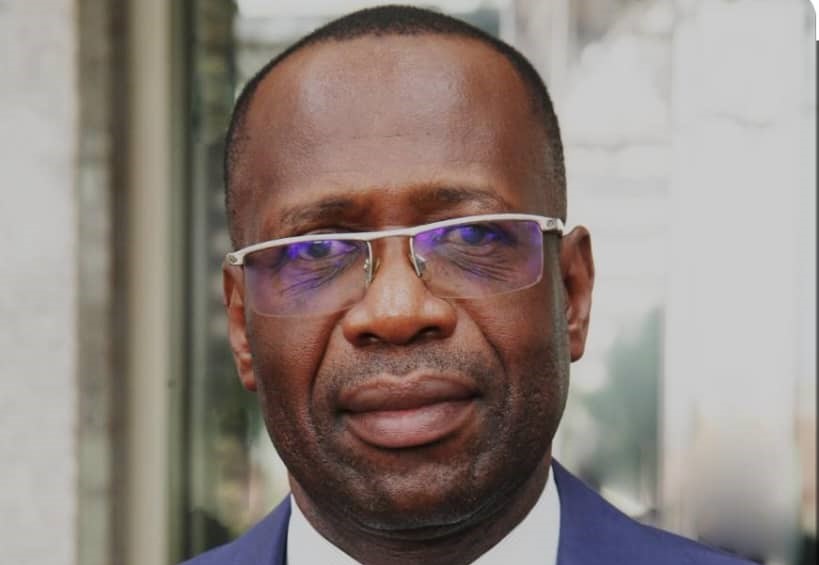
In his strategic vision, Governor Bangui emphasized the paramount importance of conducting a thorough review of the current economic and financial landscape within the CEMAC region. This systematic review aims to meticulously identify strategic focus areas requiring immediate attention and subsequently adjust prevailing visions and programs accordingly.
Furthermore, among the pivotal initiatives outlined by Governor Bangui is the imperative need for implementing strategic approaches and wide-ranging reforms to fortify the economic resilience of the CEMAC zone. These reforms are anticipated to effectively address the paradoxical scenario of the region’s reliance on fuel imports despite being abundantly endowed with hydrocarbon resources.
Governor Bangui’s strategic vision underscores the pivotal priority of consolidating monetary and financial stability to perpetuate and foster growth within the member states. Such efforts encompass an array of measures ranging from the enforcement of foreign exchange regulations to enhancing the refinancing conditions within the banking sector.
A significant focus within Governor Bangui’s strategic vision stems from an emphasis on augmenting transparency in management and fostering collegiality in decision-making processes. These measures are intended to engender trust and enhance operational efficiency within the BEAC, ultimately contributing to the overarching goal of achieving enhanced performance and governance.
Another vital facet of Governor Bangui’s strategic initiatives is centred on driving economic diversification through an accelerated implementation of structural reforms. The aim is to reduce the region’s vulnerability to external shocks while simultaneously fortifying economic resilience through diversification strategies.
An urgent agenda within the strategic vision is the comprehensive review of energy policies, with a specific focus on bolstering investment in refining capacities. This strategic move is expected to substantially diminish the region’s reliance on imported fuel and unlock the potential of the region’s hydrocarbon resources more effectively.
Governor Bangui’s proposed initiatives underscore a steadfast commitment to addressing both immediate concerns and the enduring economic challenges faced within the CEMAC region. The proactive focus on strategic reforms, transparency, and regional cooperation serves as a testament to a forward-thinking approach to governance and economic management within the CEMAC region.