

Construction Woes: Cement Overpricing Shakes Central African Market 2024
The Rising Cost of Cement in the Central African Republic: A Deep Dive
I wanted to highlight the current challenges faced by the Central African Republic (CAR) due to the soaring prices of cement, a crucial building material that is essential for the construction industry and, by extension, the economy. This issue is not only isolated to the CAR but is part of a broader trend affecting several countries in the region.
Recently, the Ghanaian Trade Minister issued a directive calling for an immediate halt to cement price increases, emphasizing the urgency of the situation. This move underscores the growing concern among government officials about the impact of escalating prices on development and infrastructure projects. The minister’s intervention also mandated cement manufacturers to publish their retail prices, aiming to curb arbitrary price hikes and promote transparency in the industry.
The global cement industry is going through significant shifts, with market demand projections indicating a flat growth rate through 2030, except for certain regions like the Middle East, India, and Africa, which are expected to see increases. This stagnation in demand contrasts with surging profit margins in Europe, driven by higher cement prices and reduced fuel costs. However, the post-Covid-19 era has introduced substantial production expenses, contributing to the rise in cement prices.
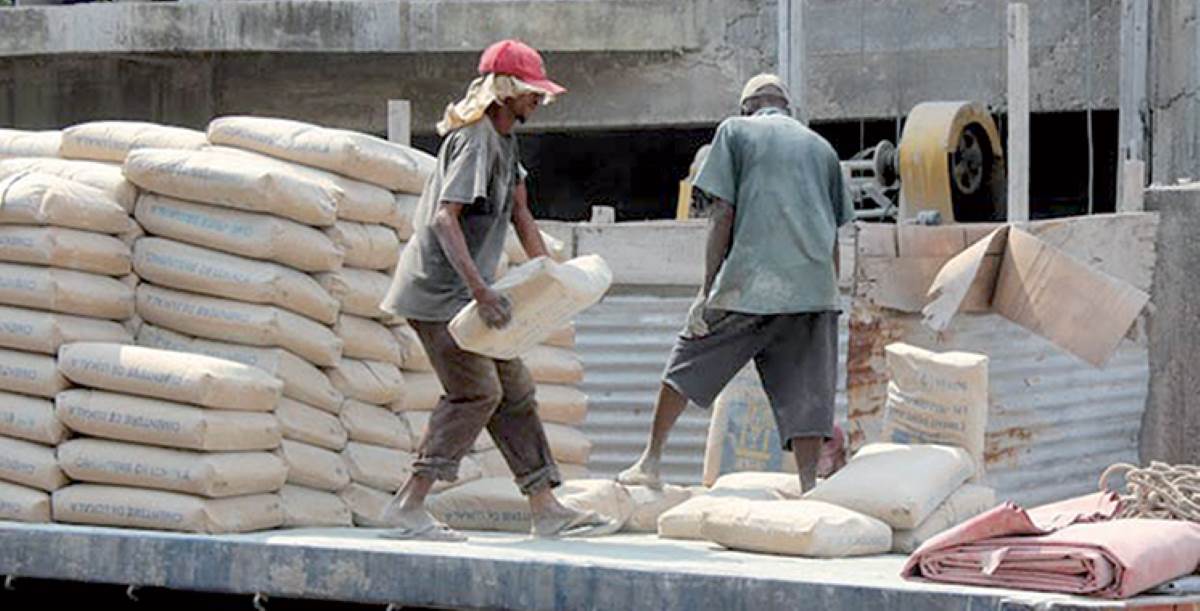
In the CAR, the impact of these global trends is deeply felt. A shortage of cement has been driving up prices since late 2019, with a 50kg bag of cement now significantly more expensive than in previous years. This situation poses a challenge for the construction sector, which is vital for the country’s development and economic stability.
Moreover, the recent decision by the Congolese government to raise cement prices further complicates the regional market dynamics, potentially influencing neighbouring countries like the CAR. Such governmental actions reflect the delicate balance between regulating industries and responding to market forces.
To address these challenges, stakeholders in the CAR and the broader Sub-Saharan region need to collaborate on solutions that stabilize cement prices without stifling the industry’s growth. This could involve exploring alternative building materials, investing in local cement production to reduce reliance on imports, and implementing policies that encourage fair competition and price stability.
The rising cost of cement in the CAR is a multifaceted issue that requires a concerted effort from governments, industry players, and the international community. By understanding the global and regional factors at play, stakeholders can work towards sustainable solutions that support the construction industry and foster economic development in the region.
In response to the escalating cement prices in the Central African Republic (CAR),
The World Bank’s analysis has suggested that the high cement prices in Africa can be attributed to a variety of factors, including high production costs and market markups due to less competition. To address these issues, several strategies have been proposed:
1. **Enhancing Competition**: One of the primary measures being considered is to encourage competition within the cement industry. This can be achieved by reducing barriers to entry for new firms, which could help drive down prices through healthy market competition. By fostering a competitive environment, it is expected that prices will naturally adjust to reflect fair market dynamics.
2. **Regulatory Reforms**: Governments in African countries are looking into regulatory reforms to prevent monopolistic practices and promote fair trade. This includes enforcing anti-monopoly policies more effectively and ensuring that cement prices are regulated and transparent. Strong and transparent regulations can help level the playing field for all companies and prevent unfair pricing practices.
3. **Local Production**: Investing in local cement production facilities is another measure being considered. By increasing local production, reliance on imported cement can be reduced, which may help stabilize prices. Moreover, local production can contribute to the development of local industries and create employment opportunities, boosting the economy in the long run.
4. **Alternative Building Materials**: Exploring and promoting the use of alternative building materials that can substitute cement in construction is also a potential solution. This could reduce the demand for cement and alleviate some of the pressure on prices in the market. Furthermore, promoting sustainable and eco-friendly construction materials aligns with global efforts towards environmental conservation.
5. **Economic Policies**: Implementing economic policies that stabilize and support the economy, especially during crises like the COVID-19 pandemic, can indirectly help manage cement prices by maintaining the purchasing power of consumers and businesses. By ensuring a stable economic environment, the demand for cement can be more predictable, leading to a more stable pricing structure.
6. **Infrastructure Development**: Improving infrastructure, particularly transportation networks, can reduce the cost of distributing cement, which is a significant component of the final retail price. Enhanced infrastructure can also facilitate the movement of goods, making cement more accessible and affordable in remote areas.
7. **Subsidies and Price Controls**: In some cases, governments may consider subsidies for cement or implementing price controls to make it more affordable. However, these measures are often temporary and need to be carefully managed to avoid long-term market distortions. Subsidies can provide short-term relief to consumers, but long-term solutions are necessary to address the root causes of high prices.
8. **Strengthening Trade Relations**: Strengthening trade relations with neighbouring countries can also help. For example, the Central African Republic (CAR) imports a significant amount of cement from Cameroon. Better trade agreements can lead to more favourable import prices, which can subsequently impact the retail prices in the CAR.
These measures require a multi-faceted approach involving collaboration between the government, industry stakeholders, and international partners. By addressing the root causes of high cement prices, such as the cost of production and market dynamics, the CAR can work towards a more stable and affordable cement market for its citizens and the construction industry. For further insights into the challenges and potential solutions for the cement industry in Africa, the World Bank Blogs provide a detailed assessment.