Cameroon’s University of Ngaoundéré Granted Full Tax Debt Forgiveness 3 Billion CFA Franc
The University of Ngaoundéré’s Tax Debt Cancellation: A Financial Reprieve
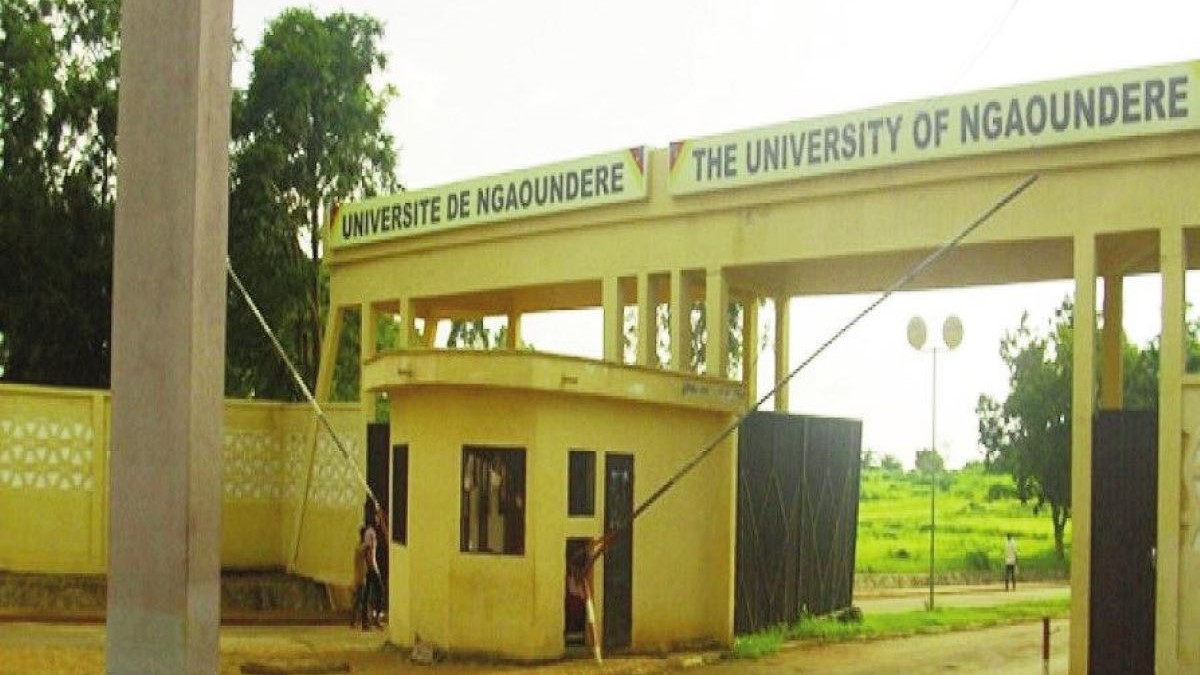
In a significant financial development, the University of Ngaoundéré has achieved a remarkable milestone by obtaining a complete cancellation of its tax debt, which amounted to 3 billion CFA francs. This move is a substantial fiscal relief for the institution, which is one of the key educational establishments in Cameroon.
The cancellation of such a considerable tax debt is not a common occurrence and raises questions about the circumstances that led to this decision. It also prompts a discussion on the implications for the university and the broader educational sector in Cameroon. Tax debts can place a heavy burden on educational institutions, potentially affecting their operational capabilities and the quality of education provided.
The University of Ngaoundéré, established in 1993, has been a cornerstone in the Cameroonian higher education system, offering a range of undergraduate and postgraduate programs. The cancellation of the tax debt could provide the university with an opportunity to reallocate funds towards improving infrastructure, research capabilities, and student services.
This development could also set a precedent for other educational institutions in similar situations, highlighting the importance of financial management and the potential for negotiation with tax authorities. It is a reminder of the challenges faced by educational institutions in developing countries, where funding is often limited and financial liabilities can hinder progress.
The impact of this debt cancellation could be far-reaching, potentially improving the university’s financial health and enabling it to focus more on its core mission of education and research. It is a positive step for the University of Ngaoundéré and a momentous occasion for the Cameroonian education sector, signalling a move towards greater financial stability and sustainability.
As the University of Ngaoundéré moves forward from this financial reprieve, it will be interesting to observe how the institution utilizes this opportunity to enhance its educational offerings and contribute to the development of the nation’s human capital. The cancellation of the tax debt is not only a relief but also a responsibility to ensure that the benefits are felt by the students and the academic community at large.
This relief comes after that of July 2023 when the Minfi had granted an initial reduction of 1.558 billion CFA francs on tax penalties totalling 2.99 billion CFA francs imposed on the University of Ngaoundéré. Thus, the latter obtains this time, the cancellation of a tax debt of 1.432 billion CFA francs (48% of the total tax debt cleared).
According to the service record of the former rector consulted by EcoMatin, this fine was imposed “because of the lack of management accounts of the University of Ngaoundéré and the involvement of the Accounting Officer in responding to the various requests from the tax services”, we learned.
However, the University of Ngaoundéré also has an academic debt linked to the consumption of water, electricity, telephone, etc. To pay off this other debt, one of the requests from the former rector to the government concerned the release of “special financial support” of 1.685 billion CFA francs to enable the payment of the debts of the University of Ngaoundéré.
Faced with these financial difficulties, the State of Cameroon also granted him on July 29, a budget extension of 300 million CFA francs for the 2024 financial year. This will bring to 7.1 billion CFA francs, the budget initially voted at 6.8 billion CFA francs, including 190 million CFA francs for investment and the rest for operations. Finally, intending to control public spending, the Chairman of the Board of Directors Adji Abdoulaye Haman, recommended that the accounting officer scrupulously ensure the payment of all taxes and duties owed to the State to avoid new financial difficulties.
It should be noted that this exhortation had already been made last year by Professor Uphie Chinje who urged the same officials “to observe budgetary discipline in order not to exceed an overall rate of commitments of 70% in their various structures”, we read in his 2017-2023 service report.