Financing Dilemma: Cameroon’s Government at a Crossroads over the Yaoundé-Douala Highway Project
The Yaoundé-Douala Highway: A Pathway to Progress Amidst Financial Deliberations
The Yaoundé-Douala highway, a pivotal infrastructure project in Cameroon, stands as a testament to the country’s commitment to progress and development. This ambitious project aims to connect Yaoundé, the political capital, with Douala, the economic heartbeat of the nation, through a modern road network spanning approximately 215 kilometres. The significance of this highway cannot be overstated, as it promises to enhance trade, facilitate travel, and bolster economic growth.
However, the journey to realizing this vision has been met with financial hurdles and debates over the most effective financing method. The government’s deliberation on financing strategies reflects the complexities of funding large-scale infrastructure projects in a developing economy. The first phase of the highway, covering around 60 kilometres, has seen substantial completion, but not without encountering financial challenges. Service providers involved in the construction have reported unpaid bills amounting to XAF33 billion, raising concerns over potential delays in completion.
The Ministry of Public Works has reassured that these dues will be settled, ensuring the project’s momentum is maintained. The total cost for the construction of the first phase is estimated to vary between XAF284 billion (excluding taxes) and XAF338.7 billion (including taxes), a significant investment in the nation’s future.
The World Bank has weighed in on the financial discourse, noting that the cost per kilometre of the Yaoundé-Douala highway is considerably higher than similar projects in other African countries. This has sparked a broader conversation on cost efficiency and the need for transparent, accountable management of funds.
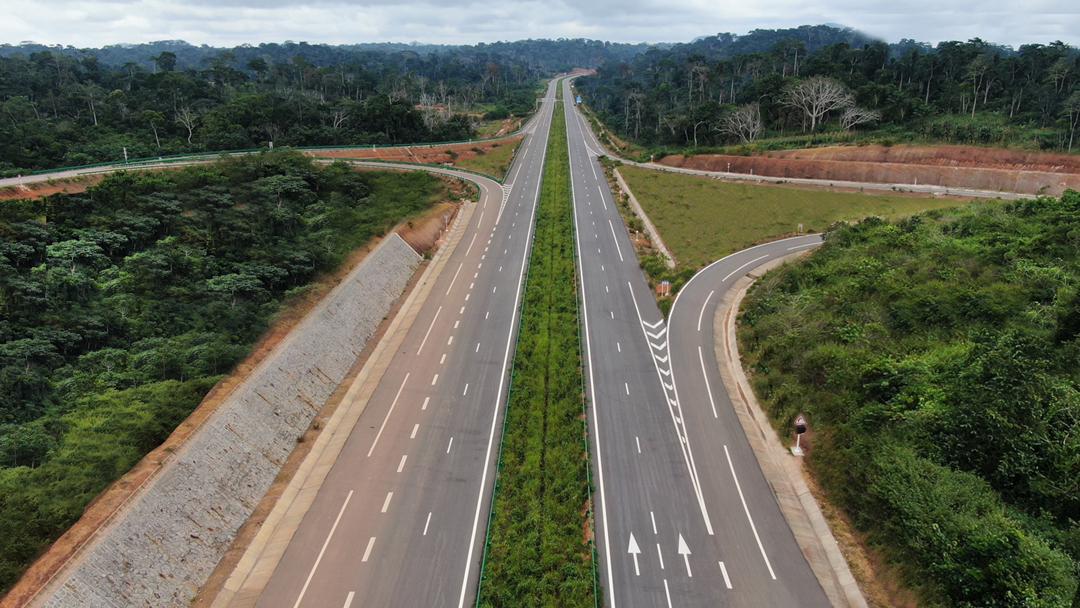
Looking ahead, the second phase of the highway, which extends for 136 kilometres, is projected to cost around XAF812.8 billion (before tax). The Ministry of Public Works has announced that this phase will be constructed under a Public-Private Partnership (PPP) model, a strategic move that could leverage private sector expertise and resources.
The PPP approach for the second phase represents a shift towards innovative financing solutions, potentially offering a more sustainable and collaborative framework for infrastructure development. It also underscores the government’s recognition of the private sector’s role in driving national development.
As the Yaoundé-Douala highway project continues to unfold, it stands as a symbol of Cameroon’s aspirations and its challenges. The decisions made today regarding its financing will have long-lasting implications for the country’s infrastructure landscape. It is a narrative of resilience, partnership, and the pursuit of progress, with the promise of a more connected and prosperous Cameroon on the horizon.