
Folklore Artist Shey Lontum Expresses Regret Over Misuse of Nso Royal Attire
The Cultural Significance of Royal Attire: Reflections on Shey Lontum’s Apology
In a profound display of respect for cultural traditions, folklore musician Shey Lontum Yov has issued a heartfelt apology to the Ngwerong, the traditional regulatory authority of the Nso people in the North West Region of Cameroon. This act of contrition comes after the artist was admonished for the inappropriate use of Nso royal attire in his artistic performances.
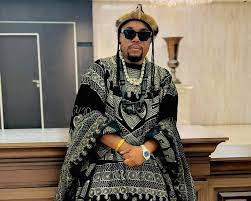
Shey Lontum, who had previously been honored with the prestigious title “Shey” by the Nso Fon, expressed that his actions were not intended to undermine the traditional authority. The attire in question, often comprising the “Toghu” traditional fabric, bangles, and a necklace, is typically reserved for royalty and special ceremonies within the Nso community. However, the Toghu fabric has gained widespread popularity in Cameroon, transcending its royal exclusivity and becoming a symbol of Cameroonian culture at international events.
The incident highlights the delicate balance between cultural promotion and the preservation of traditional protocols. Shey Lontum’s apology underscores his recognition of the authority of Ngwerong and his commitment to respecting the cultural heritage and protocols related to the use of royal insignia and artifacts. It also reflects a broader conversation about the evolution of cultural practices and the importance of maintaining reverence for cultural symbols that hold significant historical and societal value.
As a cultural promoter whose art is deeply rooted in Nso culture, Shey Lontum has been a fervent advocate for the promotion of his heritage through music. His works, including hits like “Last Hour,” “Ngeh (Nkeleng Nkeleng),” and “Ten Ten,” have captivated many who appreciate Cameroonian culture. The artist’s willingness to publicly address and rectify his mistake is a testament to his dedication to cultural preservation and his respect for the customs of the Nso people.
Moving forward, Shey Lontum has pledged to implement stricter guidelines to prevent similar oversights and has called upon promoters, bloggers, and event planners to collaborate with his team to ensure the use of authorized promotional materials. This proactive approach aims to safeguard the integrity of Nso cultural expressions and prevent the dissemination of unauthorized images that may not align with traditional standards.
Shey Lontum’s actions serve as a reminder of the responsibility that artists and cultural figures have in representing their heritage. It is a call to all to engage with cultural traditions with mindfulness and to honor the rich tapestry of practices that define communities around the world. As we navigate the complexities of a globalized society, stories like that of Shey Lontum invite us to reflect on the ways we can celebrate and preserve cultural identities while fostering an environment of respect and understanding.
The Nso culture, originating from the Bamenda grass fields in the Northwest Region of Cameroon, is a rich tapestry of history, tradition, and governance that dates back to the 14th century. The Nso people speak Lamnso and their capital is Kumbo, previously known as Kimbo, where the Palace of the Fon, the traditional ruler, is located.
The origins of the Nso dynasty can be traced back to a migration from Tikari in the Adamawa Region of Cameroon following a bloody succession dispute after the death of Chief Tinki in 1387. Ngonnso’, the founder of the Nso dynasty, left Kimi with her followers and her brothers Nchare Yen and Mbombam. After parting ways with her brothers, Ngonnso’ and her group settled in various locations before finally establishing in Kimbo, which later became known as Kumbo. The tribe’s name is derived from Ngonnso’, and it is now one of the largest tribes in Cameroon.
The pre-colonial government of the Nso people was headed by the Fon, who served as both the political leader and the chief religious authority responsible for appeasing the ancestors. The Fon’s power was balanced by the Vibais, seven notables whose positions are rooted in intricate historical contexts. These include various Shufais, who hold specific roles within the traditional government structure.
The Nso society also featured regulatory groups such as the “Ngwerong,” which acted as the security arm of the government, enforcing decisions made by the Fons and responsible for the enthronement of new Fons. The “Ngiri” is similar to the Ngwerong but is exclusive to princes. The selection of new Fons is conducted through a secretive system to prevent corruption, with eligible princes called Wontho regularly meeting under Fon’s supervision.
Culturally, the Nso people have a structured administrative setup with the Fon at the summit, followed by the Vibai, aShufai, aYaa, aFai, aShey, and others. They hold their language, Lamnso, in high esteem and use it proudly wherever they are found. The Nso people are deeply religious, valuing their traditional beliefs alongside Christianity and Islam, the two main religions in the region.
The annual cultural week festival started in the 1950s, celebrates the Nso hero, mother, warrior, and founder of Nso land, Yaya Ngonnso. This event is a time for communion with ancestors, featuring sacrifices performed by the Fon, masquerade displays, and other cultural events.
The Kingdom of Nso is renowned for upholding and protecting its heritage and cultural values. It is one of the few kingdoms in Cameroon that maintains a strong connection to its traditions, reflecting the community’s commitment to preserving its cultural identity.
For a deeper understanding of the Nso culture and its historical significance, readers are encouraged to explore the detailed articles available onour sites