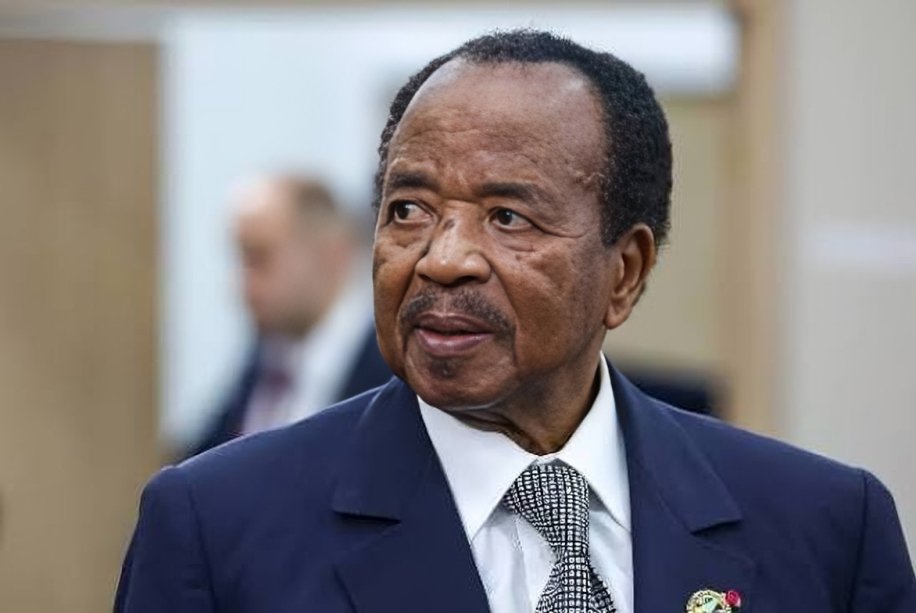
The Bastos Factory Land Scandal: A Complex Legal Battle in Cameroon Initially partially retroceded to the local community, the lands of the estate formerly used by British American Tobacco for its cigarette manufacturing plant were then curiously put up for sale to relatives of the presidential family and barons of the Yaoundé regime. Cameroonian Head of State Paul Biya has just put an end to this unprecedented act of land predation by restoring the cigarette manufacturer’s rights.
In the bustling city of Yaoundé, Cameroon’s political capital, a legal battle has been unfolding that encapsulates the complexities of land rights, multinational business interests, and government intervention. At the heart of this controversy is a piece of land in the upscale Bastos neighbourhood, which has been the subject of a dispute involving British American Tobacco Cameroun (BAT Cameroun) and the Cameroonian government.
BAT Cameroun, a subsidiary of the multinational British American Tobacco, has been embroiled in a contentious fight over approximately 10 hectares of land it has owned since the 1950s. The dispute reached a critical point when the Minister of State Property, Land Tenure and Surveys issued an order declaring the partial forfeiture of BAT Cameroun’s rights on a portion of this land, citing the company’s alleged failure to develop the land as per the stipulated requirements.
The company responded by petitioning President Paul Biya, seeking his intervention in what they described as a series of “highly irregular actions” that threatened their ownership and economic development in the region. BAT Cameroun argued that the ministerial order was a clear violation of the land laws and regulations applicable in Cameroon and that the investigation led by the SDO’s office of Mfoundi had previously confirmed the regularity of BAT Cameroun’s land certificate.
The case has drawn attention to the broader issues of land governance in Cameroon, where the rule of law and the rights of foreign-owned companies are being closely scrutinized. The outcome of this dispute could have significant implications for the business environment and investor confidence in the country.
As the situation continues to evolve, the eyes of the nation and international observers remain fixed on the Presidency of the Republic’s next move. Will there be a restoration of rights to BAT Cameroun, or will the government maintain its stance? The resolution of this land scandal in Bastos will not only determine the fate of the disputed land but also set a precedent for future cases involving land rights and foreign investments in Cameroon.
For more detailed information on the unfolding events and the legal intricacies of the Bastos factory land scandal, readers can refer to the comprehensive reports provided by The Guardian Post and Cameroon Intelligence Report. These sources offer in-depth analysis and up-to-date coverage of the situation, shedding light on the various facets of this complex legal dispute.