WPA Experts Propose Creation of CIS Youth Belt to Foster Conscious Unity and Cultural Dialogue
Astana — Experts and public figures participating in the World Public Assembly (WPA) have proposed the creation of a CIS Youth Belt, a new initiative designed to unite young people across the Commonwealth of Independent States (CIS). The platform would serve as a foundation for cultural exchange, leadership development, and educational cooperation, ultimately helping to shape a new generation committed to peace and collaboration.
The proposal was presented during the panel session “The Commonwealth of Independent States: Conscious Unity”, which brought together representatives from Armenia, Belarus, Kazakhstan, Kyrgyzstan, Russia, Tajikistan, and Uzbekistan. The session underscored the continued significance of the CIS as a space for diplomacy, dialogue, and cultural cooperation, while emphasizing the need to adapt its role to modern global realities.
Rethinking the CIS in a Changing World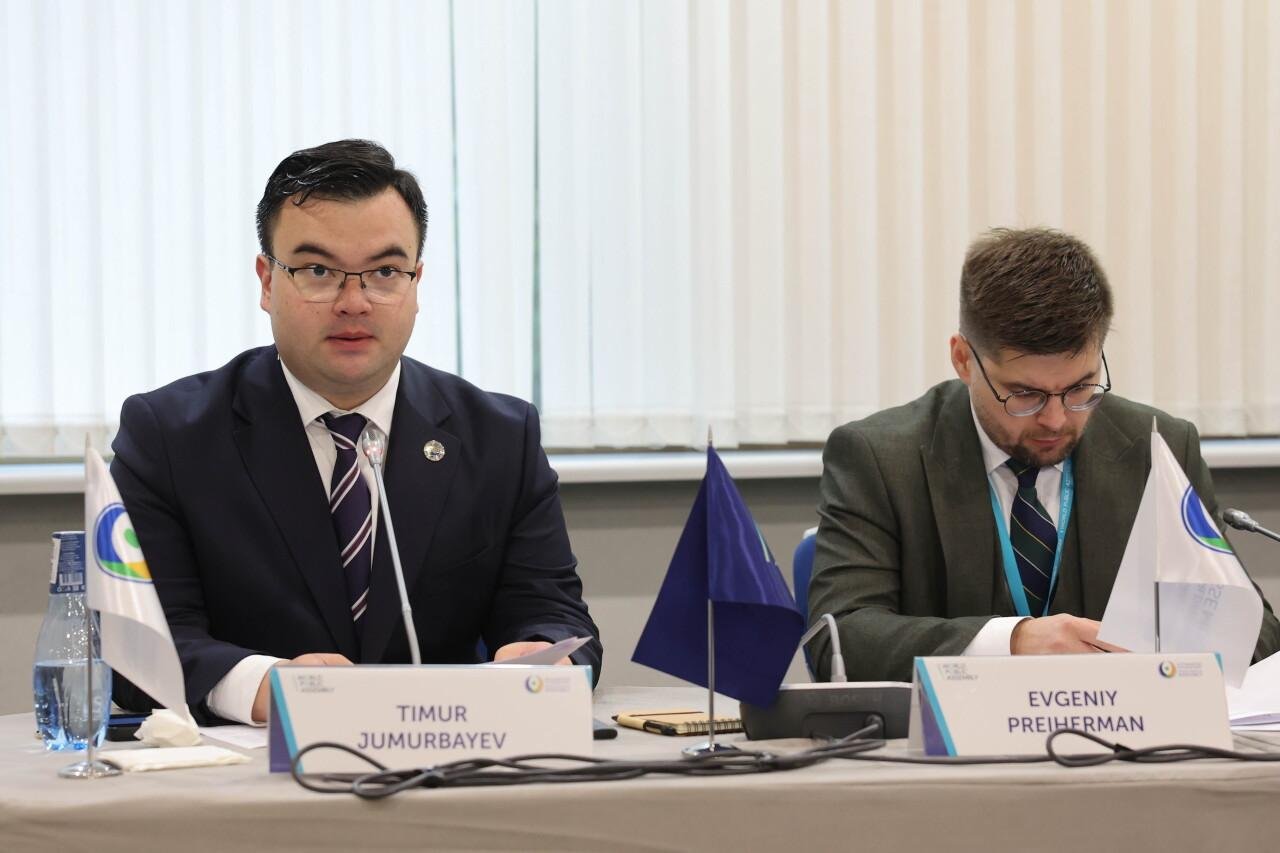
Delegates agreed that while the CIS has long served as a “school of sovereignty and diplomacy” for post-Soviet countries, today’s challenges require fresh approaches.
Saidmukhtar Saidkasimov, Chairman of the Public Council of the Ministry of Foreign Affairs of Uzbekistan, cautioned against dismissing the Commonwealth’s role:
“There are many publications where the importance of the CIS is belittled. Yes, most CIS members are now part of the SCO, and it may seem the CIS is fading. But its historical significance cannot be underestimated, especially its role in the civilized and peaceful ‘divorce’ of the fifteen former Soviet republics.”
Eduard Sharmazanov, representative of the Republican Party of Armenia, highlighted the enduring historical mission of the CIS:
“Our peoples defeated Nazism together. Today, our task is to resist its modern manifestations. This is the landmark mission of the CIS.”
Speakers stressed that the Commonwealth must remain relevant by rethinking its value in a new historical context while ensuring equal treatment and respect among member states.
Culture and Language as Foundations of Unity
The panel also emphasized the role of culture in shaping the CIS identity. According to Khanjeza Karim, Deputy of the Jogorku Kenesh of Kyrgyzstan, historical memory and cultural dialogue are crucial:
“Together we can present the CIS as a symbol of friendship and unity. Culture is a universal language that means a lot in the long run.”
Russian language was described as a bridge of identity in the region, with speakers noting its role in preserving shared heritage and fostering communication.
Belarusian expert Yevgeny Preigerman warned against complacency:
“Even the greatest love is killed by routine. We cannot allow too much routine in the CIS. We don’t know exactly how the Commonwealth will change, but this uncertainty gives us room for creativity and new cooperation.”
Concrete Proposals for Development
The session concluded with a resolution outlining practical measures to strengthen the Commonwealth. These include:
-
Expanding cooperation in education, youth policy, culture, creative industries, and heritage protection.
-
Launching joint media platforms to counter disinformation, protect information sovereignty, and promote a positive regional image.
-
Encouraging collaboration between NGOs, research institutions, and expert communities to address global and regional challenges.
-
Developing cultural exchanges through cinema, music, theater, festivals, and folk crafts under the CIS umbrella.
Particular attention was given to youth engagement. Experts stressed the importance of systematic work with young people to foster a “conscious generation” focused on peace, creation, and cooperation.
The CIS Youth Belt Initiative
The key outcome of the session was the proposal to create a symbolic CIS Youth Belt under the auspices of the World Public Assembly. This initiative aims to unite youth organizations and activists from across the Commonwealth, enabling:
-
Regular mutual visits and cultural exchanges.
-
Joint educational programs and leadership development.
-
Collaborative projects to strengthen ties and build a shared humanitarian space.
The initiative was described as a cornerstone for ensuring the long-term unity of the CIS through its younger generation.
In their closing statement, participants of the WPA emphasized the necessity of this step:
“We are convinced that conscious unity is not only a concept, but a practical necessity. Mutual support, open dialogue, and respect for each participant’s identity are the foundations of a strong and sustainable Commonwealth. We are ready to contribute to the common cause and deepen ties between the peoples of the CIS.”