
State Intervention: RCA Recovers Mining Permits from DSTM Corporation
The Central African Republic’s Move to Reclaim DSTM’s Mining Permits: A Strategic Step for Resource Management
In a strategic move, the Central African Republic (CAR) has begun reclaiming gold and diamond mining permits from the Diamond and Stone Trading Company (DSTM). This decision marks a significant shift in the country’s approach to natural resource management and raises important questions about the future of mining operations within its borders.
The CAR is endowed with abundant natural resources, including gold and diamonds, which have long been central to its economy. However, managing these resources has been fraught with challenges, including concerns over the fair distribution of profits, environmental sustainability, and the social impact of mining activities.
The recovery of DSTM’s mining permits suggests a renewed commitment by the CAR government to take control of its mineral wealth and address these challenges head-on. By reassessing the terms and conditions under which mining companies operate, the state aims to ensure that the benefits of resource extraction contribute more significantly to national development and the well-being of its citizens.
One of the key factors influencing this decision may be the need to streamline and modernize the mining permit process. As seen in other countries, delays and inefficiencies in permit processing can have a detrimental impact on the value of mining projects and the broader economy. The CAR’s move could be an attempt to mitigate such risks by establishing a more efficient and transparent system that aligns with international best practices.
Furthermore, the CAR’s action reflects a global trend towards greater resource nationalism, where governments seek to increase their share of benefits from natural resources. This often involves revising legal frameworks, renegotiating contracts, and, in some cases, revoking permits from foreign entities to favour national interests.
The implications of the CAR’s permit recovery are far-reaching. It signals to investors and the international community that the CAR is taking proactive steps to manage its resources responsibly. It also sets a precedent for how the country will engage with mining companies in the future, potentially leading to more sustainable and equitable industry practices.
As the CAR embarks on this path, it will be crucial to balance the interests of various stakeholders, including local communities, environmental groups, and the mining industry. The success of this initiative will depend on the government’s ability to foster an environment that encourages investment while safeguarding the nation’s ecological and social fabric.
The recovery of DSTM’s mining permits is a bold move by the CAR, reflecting a broader shift in the dynamics of resource governance in Africa and beyond. It is a step that could redefine the country’s economic landscape and serve as a model for other nations seeking to harness their natural wealth for the greater good.
The Central African Republic’s Reclamation of Mining Permits: Causes and Reactions
The Central African Republic (CAR) has recently taken a bold step in reclaiming mining permits from the Diamond and Stone Trading Company (DSTM), a move that has sparked a variety of reactions and raised questions about the motivations behind such actions. This decision is not isolated but part of a broader context of resource management, economic policy, and socio-political dynamics within the country.
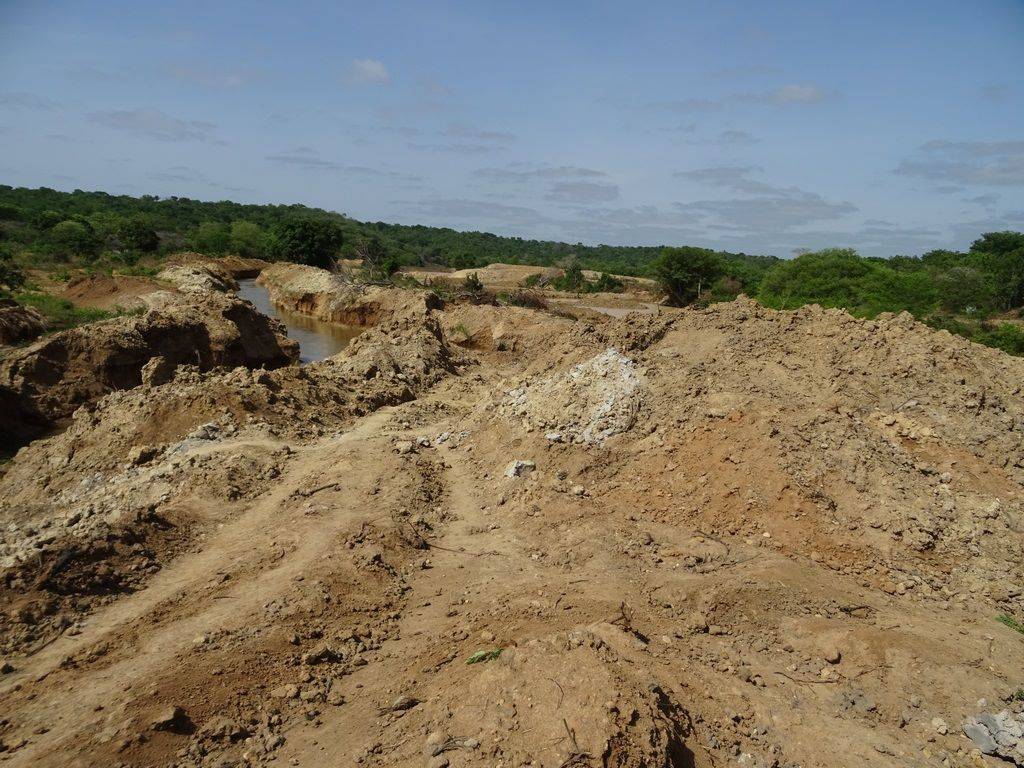
One of the primary reasons for the CAR’s reclamation of DSTM’s mining permits appears to be the government’s intention to strengthen control over its natural resources. The artisanal gold sector in the CAR has been a significant part of the economy, with research indicating that artisanal and small-scale gold mining occurs throughout the country. However, there has been a stark discrepancy between the amount of gold produced and the quantity officially exported, suggesting issues with illegal exploitation and loss of revenue for the state.
Moreover, the CAR government has accused certain mining companies, including a Chinese mining company operating in the region, of cooperating with armed militias, illegal exploitation, and non-payment of taxes. These allegations point to a need for more stringent oversight and regulation of the mining sector to prevent exploitation by external entities and ensure that the benefits of resource extraction are enjoyed by the nation and its people.
The reactions to the CAR’s actions have been mixed. On one hand, there is support for the government’s efforts to assert sovereignty over its resources and address the long-standing issues of illegal mining activities and their associated problems, such as environmental damage and human rights abuses. On the other hand, there is concern about the impact on foreign investment and the potential for increased conflict with companies and countries affected by these decisions.
The suspension of operations of a Chinese mining company over alleged ties to armed militias has also highlighted the security challenges faced by foreign companies in the CAR. These security concerns, coupled with the government’s recent actions, may lead to a reevaluation of the risk-reward balance for foreign entities considering investing in the CAR’s mining sector.
The CAR’s move to reclaim mining permits is a reflection of a larger trend towards resource nationalism, where governments seek to increase their share of benefits from natural resources. This trend is evident across Africa and other parts of the world, where nations are revisiting legal frameworks and renegotiating contracts to favor national interests over those of foreign investors.
In conclusion, the CAR’s decision to recover mining permits from DSTM and other companies is driven by a combination of factors, including the desire to curb illegal activities, assert control over national resources, and address socio-economic challenges. The reactions to these actions will continue to evolve as stakeholders assess the implications for the future of mining and economic development in the CAR. The government’s ability to navigate these complex issues will be critical in determining the success of its resource management strategy and the overall stability of the country.