Cameroonian Government Appoints Me Prosper Abega to Tackle Tax Agent Corruption in Bourbon Case 2024
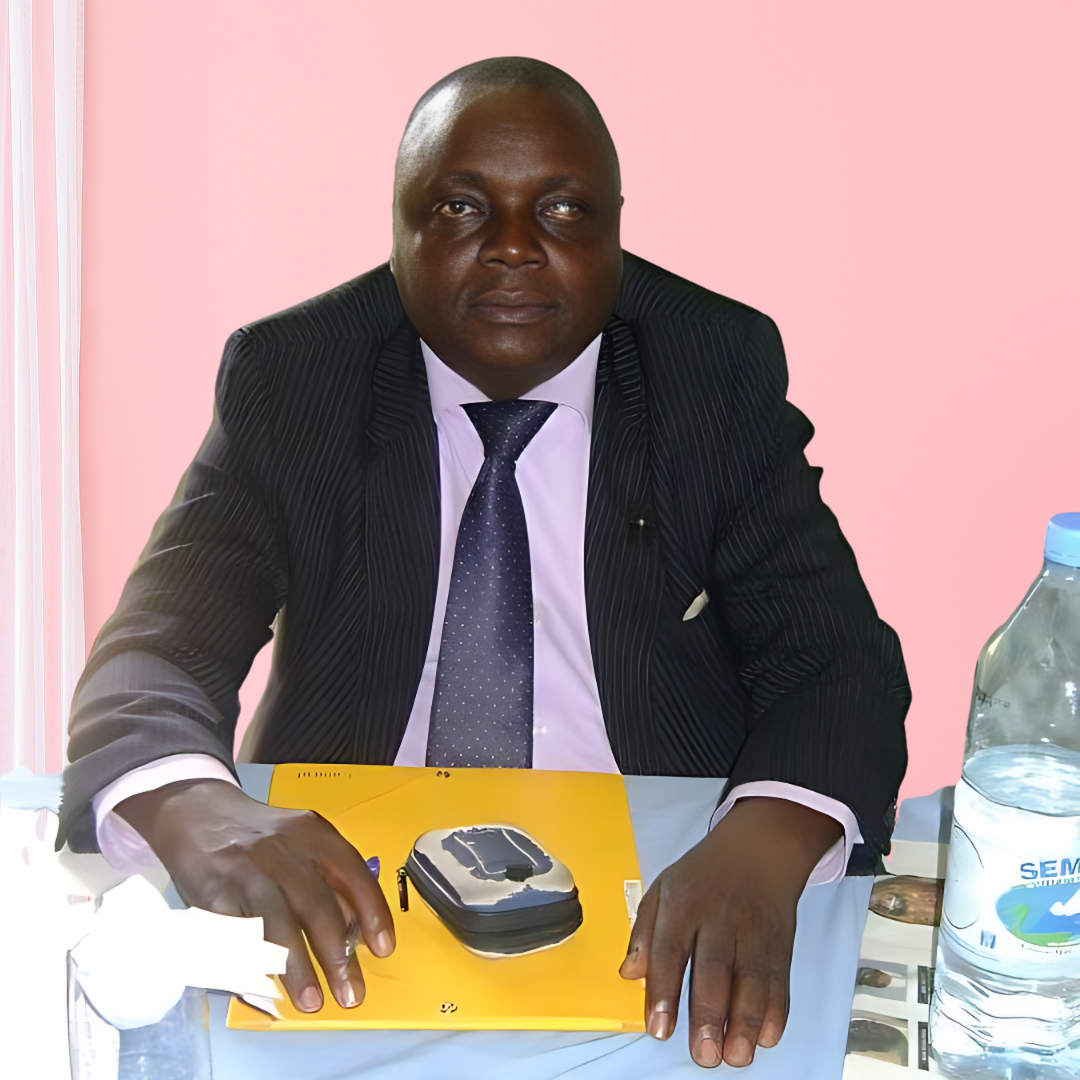
The Cameroonian government’s move to constitute Me Prosper Abega in the Bourbon affair marks a significant step in addressing the pervasive issue of corruption among tax agents. This decision reflects a broader commitment to improving the integrity of the nation’s tax system and combating financial misconduct.
The tax administration’s corruption undermines the government’s revenue and erodes public trust in the system. The appointment of Me Prosper Abega, a legal expert, suggests a strategic approach to tackle the complex challenges posed by corruption. His role will likely involve scrutinizing the processes and identifying loopholes that facilitate corrupt practices.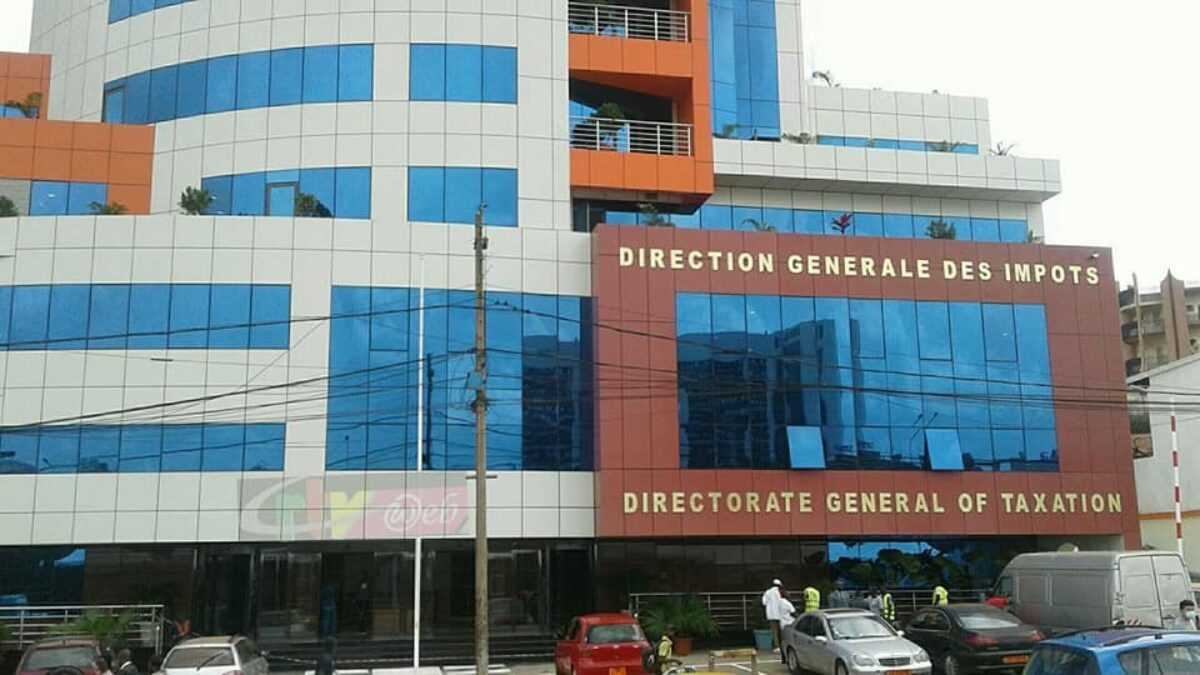 The headquarters of the General Directorate of Taxes of Cameroon
The Bourbon affair has brought to light the critical need for transparency and accountability in tax collection. It serves as a reminder of the detrimental effects of corruption on economic development and social justice. Citizens and international observers alike will closely watch the government’s response to this incident, as it could set a precedent for future governance reforms.
Efforts to reform the tax system have been ongoing, with studies highlighting the need for simplifying tax laws, educating taxpayers, and implementing electronic filing and payment systems to reduce human discretion and potential corruption. Moreover, the impact of corruption on the right to development cannot be overstated, as it hampers the nation’s progress and the well-being of its citizens.
In conclusion, the Cameroonian government’s decision to involve Me Prosper Abega in the Bourbon affair is a positive step towards rectifying the systemic issues within the tax administration. It is an opportunity to restore confidence in the system and ensure that tax policies are enforced fairly and effectively, benefiting the entire nation. The outcome of this initiative could be a turning point in the fight against corruption and a move towards a more equitable society.
The causes of corruption in the Cameroonian tax system
They are multifaceted and deeply rooted in various structural issues. Research has identified several key factors contributing to the prevalence of corruption, including high tax rates, complex and opaque tax laws, inefficient and corrupt tax inspectors, low income of taxpayers, evasion benefits outweighing detection penalties, poor perception of the judicial system, and dissatisfaction with the quality and magnitude of public services and goods.
These elements create an environment where corruption can thrive. High tax rates and complex laws can lead to taxpayers seeking ways to evade taxes, which corrupt officials may facilitate. The perceived lack of penalties or the low risk of detection can further encourage such practices. Additionally, when taxpayers have little confidence in the judicial system or are dissatisfied with public services, they may be less inclined to comply with tax obligations, viewing it as unjust or not beneficial to the community.
As for the prime suspect in the Bourbon affair, it is essential to note that legal proceedings and investigations are complex and ongoing. The individuals involved are entitled to a fair trial and due process. It is not appropriate to speculate on the guilt or innocence of any parties before the conclusion of legal proceedings. However, it is known that prominent figures, including a well-known businessman and a former secret service chief, have been implicated in the case, highlighting the seriousness of the allegations and the high-profile nature of the investigation.
The situation underscores the importance of transparency, accountability, and robust legal frameworks to combat corruption effectively. It also highlights the need for systemic reforms to address the underlying causes of corruption and to restore public trust in the tax system and governance as a whole. The Cameroonian government’s efforts to tackle these issues will be critical in shaping the country’s future economic and social landscape.
Preventing corruption within the tax system is a critical challenge that governments and institutions worldwide strive to address.
The integrity of the tax system is essential for ensuring fair taxation, promoting public trust, and fostering a healthy economic environment. Here are several measures that can be implemented to prevent corruption in the tax system:
1. **Reforming Tax Administration**: Simplifying tax codes and regulations can reduce the opportunities for corruption. A clear and straightforward tax system is less prone to manipulation and easier for taxpayers to understand and comply with.
2. **Ensuring Ethical Behavior of Tax Officials**: Establishing a strong code of conduct for tax officials, along with regular ethics training, can help maintain high standards of integrity. Additionally, implementing stringent hiring practices and background checks can prevent corrupt individuals from entering the system.
3. **Enhancing Transparency and Accountability**: Making tax records and the flow of money more transparent can deter corrupt activities. This includes the publication of tax-related information and the use of technology to track tax payments and revenue flow.
4. **Strengthening Oversight Mechanisms**: Independent oversight bodies can monitor tax administration and hold officials accountable. Regular audits and inspections can identify and address corrupt practices promptly.
5. **Encouraging Whistleblower Protections**: Protecting individuals who report corruption is crucial. Ensuring anonymity and legal protection for whistleblowers can encourage more people to come forward with information about corrupt activities.
6. **Implementing Electronic Filing and Payment Systems**: Digitalizing the tax collection process can reduce the human element, which is often a source of corruption. Electronic systems can also improve efficiency and reduce the cost of tax collection.
7. **Promoting Public Awareness and Participation**: Educating the public about their tax rights and responsibilities can empower them to demand accountability. Public campaigns and open forums can increase engagement and oversight from civil society.
8. **International Cooperation**: Collaborating with international organizations and adopting best practices can help in the fight against corruption. Sharing information and resources can enhance the capacity to detect and prevent corrupt activities.
9. **Legal and Judicial Reforms**: Strengthening the legal framework to impose harsher penalties for corruption and ensuring that the judiciary is independent and well-equipped to handle such cases can act as a deterrent.
10. **Fostering a Culture of Integrity**: Cultivating an organizational culture that values honesty and integrity can have a long-lasting impact. This involves leadership commitment, regular training, and a clear message that corruption will not be tolerated.
These measures, when combined, can create a robust defence against corruption in the tax system. It is a multifaceted approach that requires the commitment of all stakeholders, including government officials, tax authorities, the private sector, and the general public. The ultimate goal is to create a tax system that is transparent, accountable, and fair for everyone. Implementing these measures can lead to a significant reduction in corruption, ensuring that tax revenues are used effectively for the development and prosperity of the nation.