
The Glencore Affair: A Legal Overview Paul Biya takes legal action in the UK in 2024
The Glencore Affair: A Legal Overview Paul Biya takes legal action in the UK in 2024

The Glencore affair has been a significant topic in the realm of international business and legal proceedings. Glencore, a major player in the global commodities market, faced allegations of bribery and corruption, leading to extensive investigations by authorities in the UK, US, and Brazil. The case reached a critical point when Glencore Energy UK Limited admitted to five counts of bribery and two counts of failure to prevent bribery under the UK Bribery Act 2010.

The UK’s Serious Fraud Office (SFO) conducted a thorough investigation, resulting in Glencore agreeing to pay a substantial financial penalty and costs amounting to £280,965,092.95. This resolution was part of a coordinated effort with other national authorities and was consistent with the provisions recorded in Glencore’s financial results for the fiscal year 2021.

The legal actions did not stop there. Glencore faced a multi-billion-pound legal claim by major investors, who accused the firm of making untrue statements to cover up corrupt activities during its listing on the London Stock Exchange and its merger with Xstrata. This claim, brought forward by nearly 200 funds, including prominent asset managers and pension funds, highlighted the gravity of the allegations and the impact on investors.

The Glencore affair underscores the importance of corporate transparency and the consequences of unethical business practices. It also serves as a reminder of the far-reaching implications of such actions, affecting not only the company’s financial standing but also its reputation and trust with investors and the global community.

As the legal proceedings continue, the business world watches closely, awaiting the outcomes and the precedents they may set for corporate conduct in international trade and industry. The Glencore affair is a landmark case in UK anti-bribery enforcement and a pivotal moment in the ongoing efforts to combat corruption in global business operations.

The specific allegations against Glencore

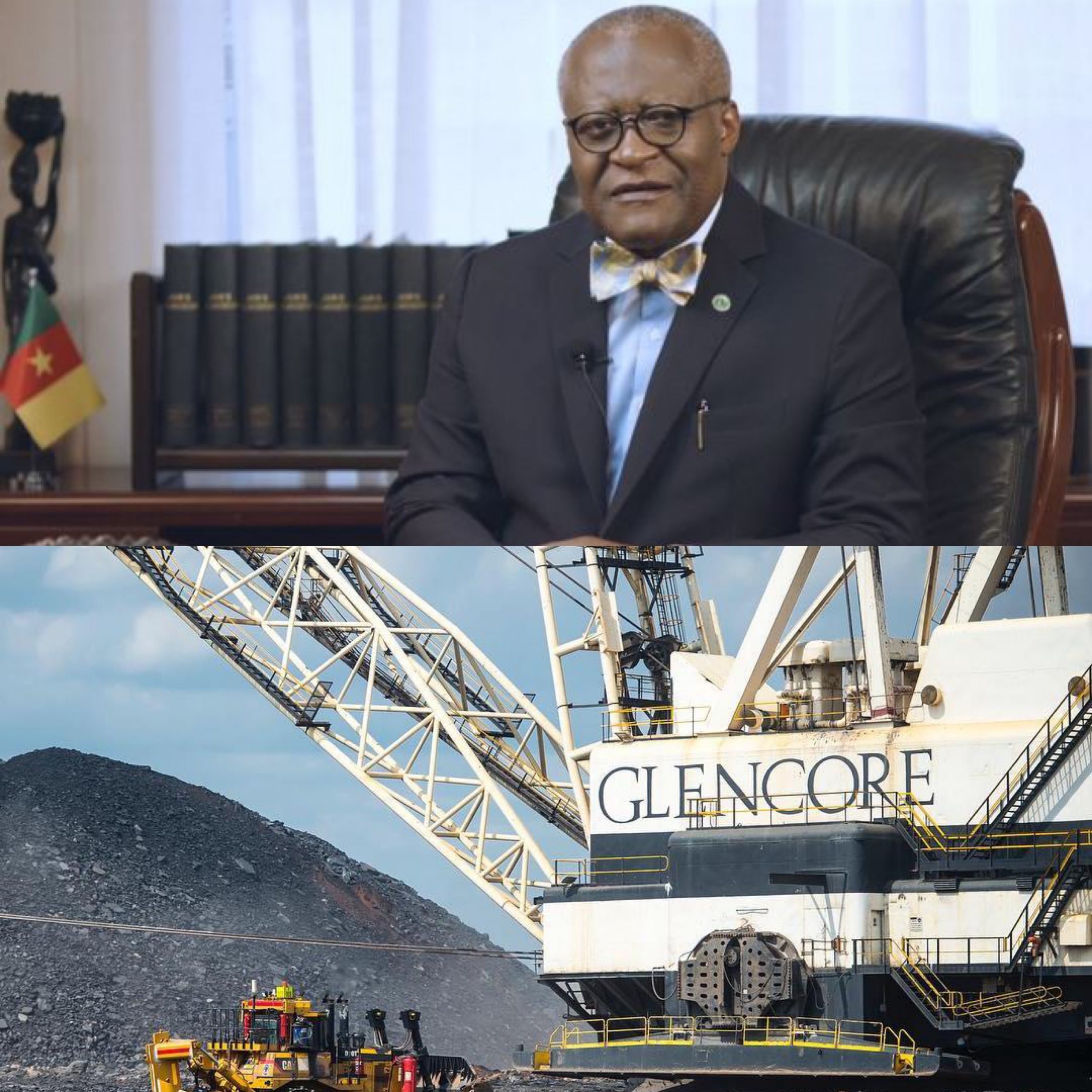
A Glencore brand

a multinational commodity trading and mining firm that revolved around a series of corrupt practices that spanned multiple countries and involved various forms of misconduct. According to the United States Department of Justice, Glencore and its subsidiaries engaged in a decade-long scheme involving the making and concealment of corrupt payments and bribes through intermediaries to benefit foreign officials across multiple countries.

These illicit activities were part of a broader pattern of behaviour aimed at securing business advantages through unethical means. In Nigeria, for example, Glencore was accused of flying in cash bribes on private jets, while in Cameroon, Ivory Coast, and other African countries, the company faced allegations of bribery and corruption that led to widespread investigations and legal action.

Furthermore, Glencore Ltd. admitted to engaging in a multi-year scheme to manipulate fuel oil prices at two of the busiest commercial shipping ports in the United States. This manipulation was part of a separate plea agreement, which included a substantial criminal fine and forfeiture, as well as the retention of an independent compliance monitor for three years.

The gravity of these allegations was underscored by the significant fines and legal actions imposed on Glencore, reflecting the serious nature of the offences and the company’s acknowledgement of wrongdoing. The case has been a landmark in UK anti-bribery enforcement and serves as a pivotal moment in the global fight against corruption in business operations. For more detailed information on the Glencore scandal and the company’s response, interested parties can refer to official statements and reports provided by the involved legal authorities.

Glencore’s Response to Allegations: A Commitment to Change and Compliance

In response to the serious allegations of bribery and market manipulation, Glencore Plc took a stance of acknowledgement and cooperation with the authorities. The company admitted to its misconduct and agreed to pay approximately $1.5 billion to settle the investigations conducted by the United States, the United Kingdom, and Brazil. This settlement was a significant step for Glencore, as it aimed to resolve the legal uncertainties that had been looming over the company for years.

Glencore’s approach to addressing these allegations was multifaceted. Firstly, the company expressed its commitment to ethical business practices by enhancing its compliance programs and internal controls. This included the appointment of an independent compliance monitor for three years, as part of the plea agreement with the United States Department of Justice.

Moreover, Glencore publicly stated its intention to continue making progress on its climate targets and to fulfil its environmental and human rights commitments. Despite facing new reports alleging environmental and human rights abuses in its operations in Peru and Colombia, Glencore disputed many of these findings, arguing that the organizations were using outdated data. The company did not respond to all the allegations but emphasized its ongoing efforts to mitigate harm and respect human rights.

The Glencore affair has highlighted the critical need for transparency and accountability in international business practices. As Glencore navigates through these challenges, it serves as a reminder to the corporate world of the importance of maintaining ethical standards and the potential consequences of deviating from them. The company’s response to the allegations, while not exhaustive, indicates a willingness to confront the issues and make necessary changes to regain trust and ensure compliance with global regulations.

Glencore’s Measures to Prevent Future Misconduct: A Path Towards Ethical Business Practices

In the wake of the bribery and market manipulation scandal, Glencore has implemented several measures to prevent future misconduct and reinforce its commitment to ethical business practices. These measures reflect the company’s response to legal actions and its desire to restore trust with its stakeholders and the global community.

One of the key steps taken by Glencore was the agreement to retain an independent compliance monitor for three years. This decision was part of the plea agreement with the United States Department of Justice and serves as a mechanism to ensure that Glencore’s compliance programs are effective and adhere to legal and ethical standards.

Additionally, Glencore has committed to modifying its compliance program where necessary and appropriate. This involves a comprehensive review and enhancement of its policies and procedures to prevent illegal and unethical conduct. The company aims to strengthen its internal controls and provide better training for its employees to recognize and avoid potential misconduct.

Glencore has also pledged to continue cooperating with the department in any ongoing investigations and prosecutions related to the underlying misconduct. This cooperation signifies Glencore’s willingness to be transparent and accountable for its actions, as well as its readiness to assist in the broader fight against corruption.

Furthermore, the company has taken steps to comprehensively disclose all payments made to sanctioned entities and those affiliated with them. This includes reporting such payments in its quarterly reports to the London Stock Exchange, thereby promoting transparency and accountability.

The Glencore case has been a stark reminder of the consequences of corporate misconduct. The measures Glencore has taken in response to the allegations are a testament to the company’s recognition of the need for change. By implementing these measures, Glencore seeks to rebuild its reputation and ensure that it operates within the bounds of the law and ethical standards.

As Glencore continues to navigate the aftermath of the scandal, the effectiveness of these measures will be closely monitored by regulatory authorities, investors, and the public. The company’s efforts to prevent future misconduct will be a critical factor in determining its ability to maintain its position in the global commodities market and its relationships with stakeholders.

According to a copy of the document received by our editorial staff, the President of the Republic of Cameroon has agreed to refer the matter to the Serious Fraud Office (SFO), this British organization based in London, specializing in the fight against complex financial crime, which protects the UK’s reputation as a safe place to do business.