

Eco-Friendly Milestone: Cameroon Cuts Coal Imports by 50% Thanks to Cimpor-Atlantic Cocoa Pact
In a significant move towards sustainability, Cimpor and Atlantic Cocoa have announced a partnership aimed at reducing Cameroon’s coal imports by a remarkable 50%. This initiative is not only a step forward in environmental conservation but also a strategic economic shift for the country.
Cimpor, a well-established name in the cement industry, has recently inaugurated a new plant in Kribi, Cameroon. This facility is noteworthy for integrating the world’s first operational flash calcined clay production line, which was launched on 29 October 2023. The technology behind this, known as ‘deOHclay’, is revolutionary in its potential to save up to 80% in CO2 emissions, up to 35% in electricity consumption, and up to 40% in thermal energy consumption per tonne of production compared to traditional methods.
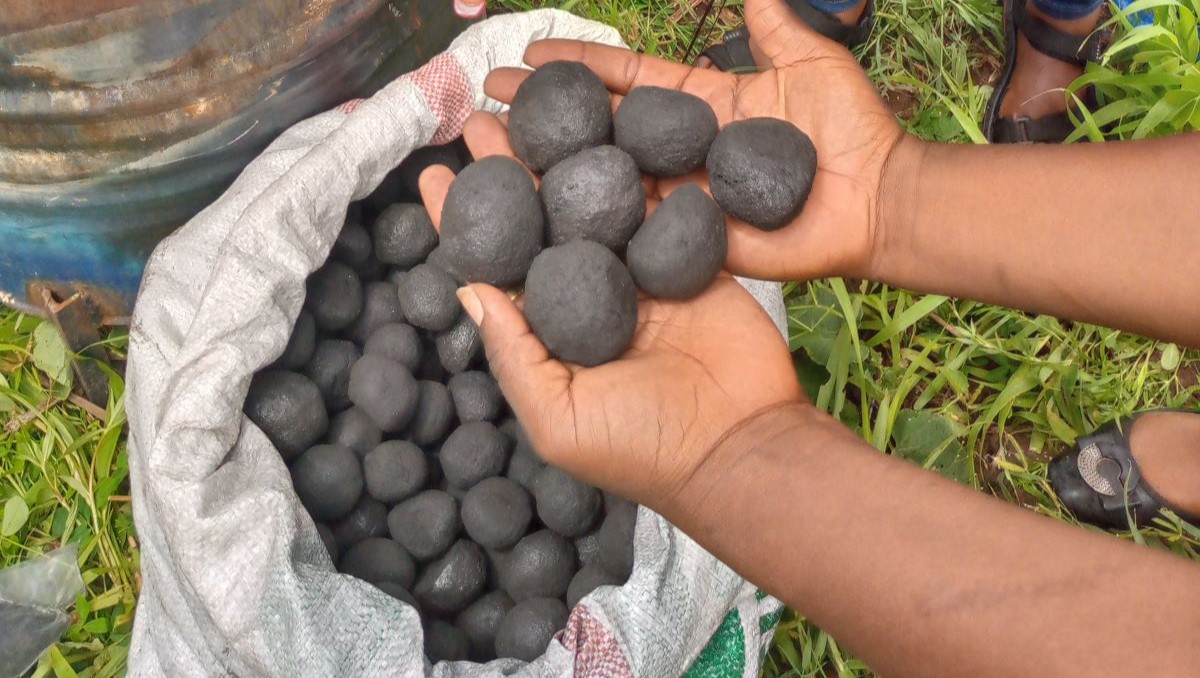
The collaboration with Atlantic Cocoa, a leader in the agricultural sector, is a strategic move that leverages the agricultural waste products as a biomass alternative to coal. This not only provides a use for what would otherwise be waste materials but also significantly reduces the carbon footprint associated with coal, a major source of CO2 emissions.
This partnership is a testament to the innovative strides being taken in Cameroon to address climate change and its effects. By reducing the reliance on coal imports, Cimpor and Atlantic Cocoa are setting a precedent for other industries to follow. The reduction in coal imports will not only have a positive impact on the environment but will also bolster the local economy by tapping into homegrown resources.
The implications of this partnership extend beyond immediate environmental benefits. It represents a shift in the industrial paradigm, where sustainable practices are becoming integral to business operations. The initiative by Cimpor and Atlantic Cocoa is a clear indication that environmental responsibility and economic growth can go hand in hand.
As Cameroon continues to develop, such sustainable practices will be crucial in ensuring that economic growth does not come at the expense of the environment. The partnership between Cimpor and Atlantic Cocoa serves as a model for other companies and industries, demonstrating that with innovation and collaboration, it is possible to create a more sustainable and prosperous future.
According to Fuh Calistus Gentry, Cameroon’s interim Minister of Mines, the two companies signed an agreement whereby the latter will provide waste from its production to the former to use as fuel.
On July 19 in Kribi, a seaside resort in the Ocean department in the South region, Cameroon took a new step towards industrialization with the inauguration of the Cimpor cement plant. The ceremony presided over by Prime Minister Joseph Dion Ngute also resulted in the signing of an agreement between the new company and Atlantic Cocoa, a cocoa bean processing plant based in the same city.
The announcement of this agreement was made by Fuh Calistus Gentry, the acting Cameroonian Minister of Mines, during a conference he gave during the 3rd day of the 13th edition of the Salon de l’Action Gouvernementale (Sago). According to the latter, the two companies signed an agreement which, at the instigation of the government, consists of the latter providing waste from its production to the former in order to use it as fuel. “On the sidelines of its inauguration, Cimpor signed an agreement with Atlantic Cocoa so that the latter provides materials such as cocoa pods and production waste to the cement plant, which in turn will use it as coal,” he said.
The aim of this collaboration, according to the minister, would be to reduce Cameroonian coal imports by 50%, “another measure taken by the government to promote the implementation of its import-substitution policy.” The reason is that in Paul Biya’s country, domestic energy consumption is made up of 82.3% firewood, 30.6% charcoal and 27% gas according to the United Nations Development Programme (UNDP). In fact, the real need for coal in Cameroon is estimated at 356,000 tonnes per year against a green coal production capacity of around 10%. This underproduction, according to statistics from the Ministry of Forests and Wildlife (MINFOF), costs Cameroon around 17 billion CFA francs per year.
It should be noted that the agreement signed between the 6th cement plant in Cameroon with a production capacity of 1.2 million tonnes of cement per year and the poop processing plant with a capacity of 48,000 tonnes, will not only reduce coal import costs to 8.5 billion CFA francs but also limit carbon emissions (CO2) by 40%, thereby combining economic development with respect for the environment.