Gabon’s Mining Code Overhaul: A Magnet for Global Investors 2024
Gabon, a country rich in natural resources, has taken a significant step towards revitalizing its mining sector by reforming its mining code. This move is aimed at attracting investors and boosting the economy by creating a more favourable environment for mining activities.
The 2019 Mining Code, enacted by Law No. 37/2018, has been the cornerstone of Gabon’s mining law, regulating the legal, institutional, technical, economic, customs, and tax regimes of the sector. The code’s primary objectives are to promote good governance, transparency, and international best practices in the mining industry. It also seeks to ensure the protection of valid mining licenses, promote industrial responsibility, and ensure compliance with health, safety, and environmental rules.
Recent developments indicate that Gabon is committed to updating this code to make it more investor-friendly. The reforms are expected to reduce corporate tax, cut fees on mineral exports, and extend the timeframe of operating licenses from 10 to 20 years. These changes provide a stronger legal framework for mining titleholders and aim to improve traceability and transparency in the sector.
The government’s approach to reforming the mining code reflects a desire to balance the interests of the state, citizens, and investors. By reducing the corporate tax and adjusting fees, Gabon is positioning itself as a competitive destination for mining investments. The extension of operating licenses offers long-term stability for investors, which is crucial for large-scale mining projects that require significant upfront capital and time to develop.
Moreover, the government has mandated that a portion of mining tax revenues be allocated to local community projects, ensuring that the benefits of mining activities are shared with the population. This aspect of social responsibility is increasingly important to investors who are looking for sustainable and ethical investment opportunities.
The mining sector’s diversification away from the traditional focus on oil and gas is a strategic move for Gabon. With the world’s third-largest manganese reserves and significant deposits of other minerals, the country has the potential to become a key player in the global mining industry. The new code is a bold step towards realizing this potential, offering a more attractive and secure environment for both local and international investors.
Gabon’s efforts to reform its mining code are a clear indication of its commitment to developing its mining sector. The changes are expected to boost revenue, attract foreign investment, and ultimately contribute to the country’s economic growth. As the reforms take effect, it will be interesting to observe the impact on Gabon’s mining landscape and its position in the global market.
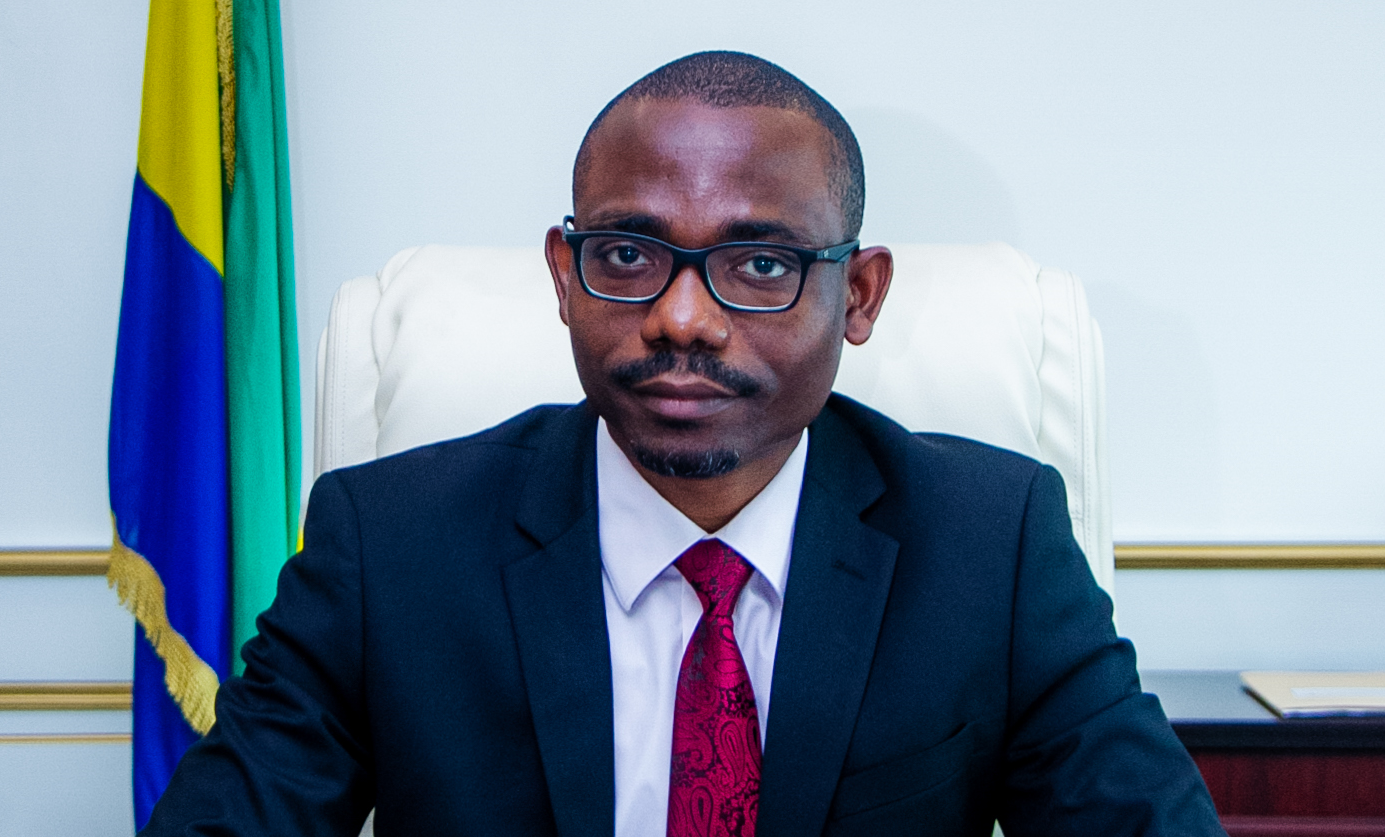
Concretely, the selected service provider will have to, over 6 months, identify the number of regulatory texts, classify by type (decisions, orders, decrees), design and draft said texts, and organize a workshop to present the texts to the mining administration and other stakeholders. Interested firms have until September 24 to submit their bids. This call for tenders reflects the Gabonese authorities’ desire to set up an incentive regulatory framework to attract mining investors to come and develop the country’s rich potential. While the wealth of Gabon’s subsoil would be a dream come true for many, the mining sector is mainly focused on the exploitation of manganese. It represents approximately 6% of the country’s GDP and exports.
Apart from manganese, Gabon mines small quantities of gold, producing only 2 tonnes annually. This volume is mainly from the operations of the Moroccan company Managem, with the remainder attributable to artisanal miners. Gabon has very strong mining potential with more than 900 potential mining sites. In addition to manganese and gold, Gabon has very strong mining potential with more than 900 potential mining sites that are still unexplored. The challenge is also to reduce dependence on the oil windfall, which is the lifeblood of the economy of this Central African country.
In addition to the establishment of new legal instruments, Mays Mouissi has also launched three other calls for tenders, notably concerning the establishment within the Ministry of Mines of a national geological service and a center for the promotion and facilitation of mining projects (Ceprofam). Libreville also plans to recruit a firm to strengthen the capacities of the staff of the mining administration. “Specifically, this will involve providing training in the areas of mining taxation and tax administration; legal frameworks and mining conventions; mining economics… The planned duration for capacity building is three calendar months.