Yaoundé Launches 23 Billion CFA Franc Flood Mitigation Initiative
Flood control in Yaoundé: Cameroon seeks a service provider to carry out a 23 billion CFA franc project financed by the AfDB
The city of Yaoundé, the political capital of Cameroon, has long been grappling with the challenges of urban flooding. The situation has prompted the government to seek comprehensive solutions to mitigate the impact of floods on the city’s economy and the well-being of its residents. In a significant move, the Cameroonian government is now seeking a service provider to implement a substantial flood control project with a 23 billion CFA francs budget financed by the African Development Bank (AfDB).
This initiative is part of a broader strategy to enhance the city’s drainage and sanitation infrastructure. The Yaoundé City Sustainable Enhanced Drainage and Sanitation Project (PCADY) aims to combat flooding in the city centre, a problem exacerbated by the Mfoundi River’s tendency to overflow during heavy rains. The project includes the construction of a flood control basin to reduce water levels in the riverbed and improve solid waste management, which is crucial for preventing blockages in drainage systems.
The importance of such projects cannot be overstated. Flooding in urban areas can lead to significant economic losses, damage to property, and, tragically, loss of life. Moreover, water stagnation can result in health hazards, including the spread of waterborne diseases. The PCADY project, therefore, represents a critical investment in the resilience and sustainability of Yaoundé’s urban environment.
Previous phases of flood control efforts in Yaoundé, also supported by the AfDB, have yielded positive results, reducing the frequency and impact of flooding in targeted parts of the city. These efforts have included the construction of canals and retention basins, which have significantly improved the city’s capacity to manage heavy rainfall and prevent flooding.
The search for a service provider to carry out this latest project underscores the Cameroonian government’s commitment to addressing the challenges of climate change and urbanization. It is a call to action for companies with expertise in civil engineering, environmental management, and urban planning to contribute to a project that has the potential to transform the lives of millions of Yaoundé residents.
As the project moves forward, it will be essential to ensure that the chosen service provider adheres to the highest standards of quality and sustainability. The success of the PCADY project will not only enhance Yaoundé’s flood resilience but also serve as a model for other African cities facing similar challenges.
For more information on the project and its progress, interested parties can refer to the detailed reports and updates provided by the African Development Bank and the Cameroonian government. The collaboration between these entities and the successful implementation of the PCADY project will mark a significant milestone in the journey towards a safer and more sustainable urban future for Yaoundé.
In Cameroon, the Yaoundé City Sustainable Rainwater Sanitation Complementary Project (Pcady), announced since 2021 and initially expected last year, could finally start. This is the least we can hope for when reading the invitation to tender (IAS) that the Mayor of Yaoundé Luc Messi Atangana has just launched. “The Yaoundé Urban Community is soliciting sealed bids from eligible bidders who meet the required qualifications,” we read.
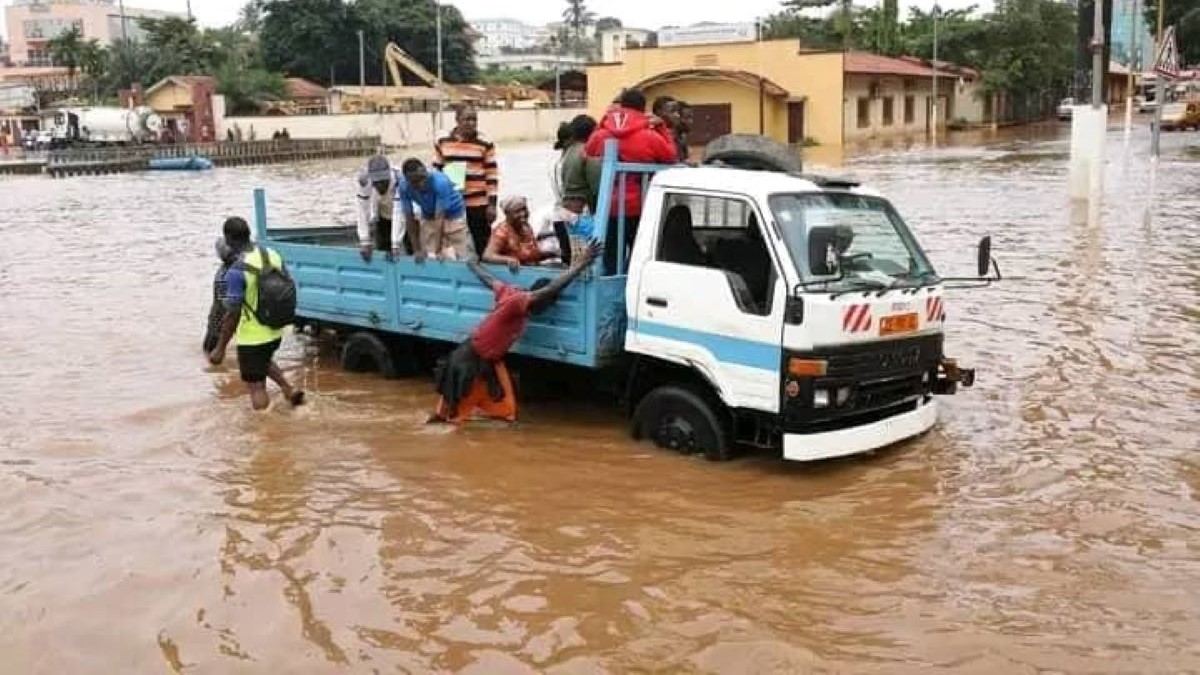
Indeed, the project, whose estimated cost is 23.6 billion CFA francs, financed 10% by the State and 90% by the African Development Bank (ADB), would, according to the public authorities, alleviate the flooding phenomenon which weakens economic activity (transport) in the city centre (places called Avenue Kennedy, Voirie urbaine, Boulevard du 20 Mai, etc.) during heavy downpours.
The works, we learned, will be carried out on a single lot. The consistency will focus on: the development of a catchment basin for the Djoungolo River; the construction of the drainage channel for the same watercourse; the reconstruction of the Kennedy Avenue collector as well as the construction of a collector connecting to the Mfoundi canal. In other words, it would allow, in the context of climate change, to clean out the main buried works and collectors to rid them of the many wastes accumulated on these drains.
The project is behind schedule
According to the Evaluation Report published by the AfDB in 2021, the financing agreement was given that year and Cameroon should receive a first disbursement in March 2022. The last disbursement should take place in April 2026 after the completion of the project in 2025. Moreover, the signing of the loan agreement between the State of Cameroon and the AfDB took place in September 2022 and has been in force since February 10, 2023. The last repayment is scheduled for 2051.
Given the delay in this government project, the estimated duration of the works has been revised to 18 months compared to 48 months initially. To date, there are no new projections for the effective launch of this project in the political capital of Cameroon. Potential companies have between 50 and 90 days to submit bids according to the Public Procurement Code in force in this CEMAC country.
Let us note, however, that a year ago, Célestine Ketcha Courtes, the Minister of Housing and Urban Development (Minhdu); supervising the urban community of Yaoundé within the framework of the implementation of the Pcady, reassured of the imminent start of work. “The financing agreements between Cameroon through Minepat have been signed and work will start this year (2023, Editor’s note). So, in a few months, a few years, the flooding issues in the city of Yaoundé will be completely managed,” she declared to the national station on July 29, 2023. However, while waiting for this saving solution, downtown Yaoundé continues to be the scene of serious flooding during torrential rains.