SNH Board Calls for Comprehensive Review of 2023 Financial Statements
The National Hydrocarbons Corporation (SNH) of Cameroon has been a subject of significant discussion following the recent demands by its Board of Directors for a revision of the 2023 accounts. This move comes amidst a backdrop of financial scrutiny and governance questions within major state-owned enterprises globally.
The SNH, which plays a pivotal role in Cameroon’s economy through the management of the country’s hydrocarbon resources, has reported substantial contributions to the state’s treasury. According to the information released, the corporation managed to transfer 518.732 billion CFA francs to the Public Treasury after deductions for charges, with a notable increase in natural gas production and sales.
The Board’s decision to revise the 2023 accounts could be seen as a proactive measure to ensure financial transparency and accountability. This is particularly important given the context of declining crude oil prices on the international market, which has been a challenge for oil-producing countries. The SNH’s performance in such an economic climate has been commendable, as highlighted by the Board’s approval of the corporation’s action plan and budget for the fiscal year 2024.
Furthermore, the rescheduling of the SNH Board meeting to the Presidential Palace, after an initial no-show, indicates a heightened level of oversight and involvement by the state in the corporation’s affairs. This could be interpreted as a move to reinforce governance structures and address any potential administrative challenges within the SNH.
The anticipated leadership changes, with the expected replacement of the General Administrator after 31 years at the helm, also suggest a period of transition and possible strategic realignment for the corporation. Such changes at the top echelons of management can have significant implications for the direction and operations of the SNH, especially in light of the ongoing disputes related to the Savannah Energy case.
In conclusion, the SNH’s Board of Directors’ demand for a revision of the 2023 accounts is a reflection of the broader need for transparency and good governance in state-owned enterprises. As Cameroon navigates the complexities of the global energy market, the actions and decisions of the SNH will undoubtedly have far-reaching impacts on the country’s economic health and development trajectory.
Despite the increase in oil and gas production and revenues in the first four months of the current year, the directors noted irregularities in the execution of the company’s budget during the last financial year.
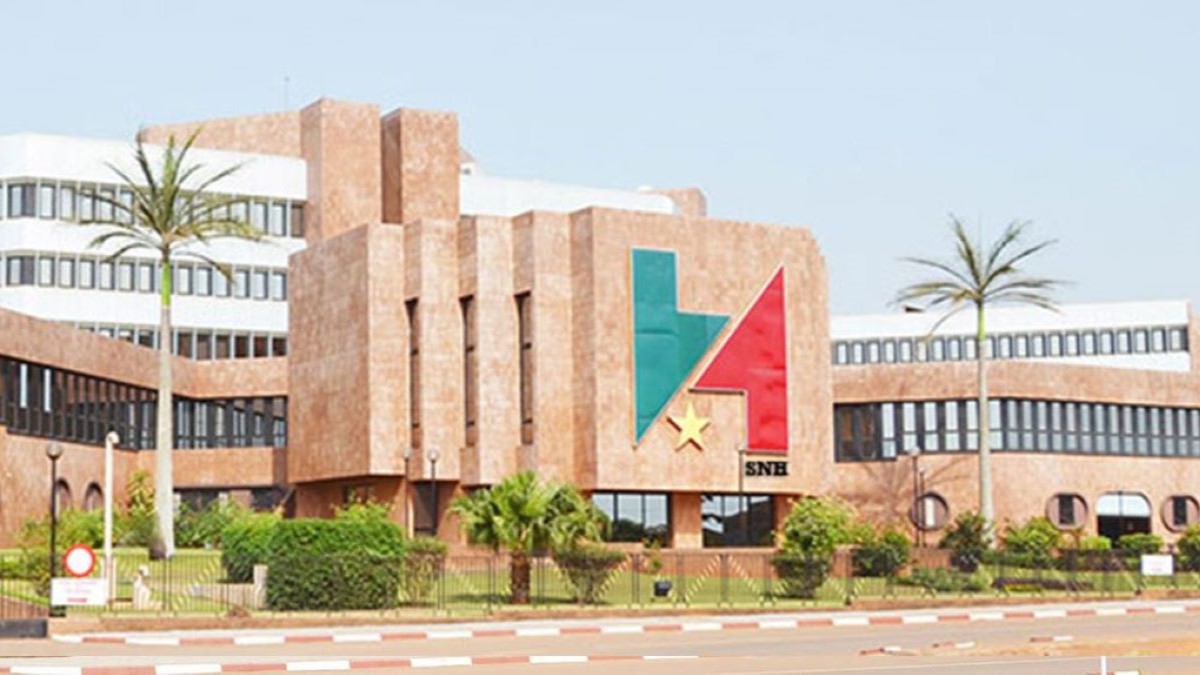
The Savannah affair continues to cause ink and saliva to flow within the National Hydrocarbons Company (SNH). During the extraordinary session of the Board of Directors held on July 24, the auditor’s report pinned the execution of the operating budget and the accounts of the public oil company for the financial year ending December 31, 2023. In fact, according to the terms of the final press release of this body whose agenda focused on the presentation of the activity report for the period from January 1 to April 30, 2024 and the examination of the financial statements of the SNH for the financial year ending December 31, 2023, management-related concerns have emerged, casting doubt on the regularity of the budgetary operations of this public company regarding the operation to buy back 10% of the shares of Cameroon Oil Transportation Company (Cotco).
The Auditor highlighted this unapproved acquisition of 10% of the shares of the Chad-Cameroon pipeline management company held by Savannah Energy, worth 26.8 billion CFA francs. “This transaction, concluded on April 19, 2023, had not received the approval of either the President of the Republic or the Board of Directors,” reports the final press release.
Because of these irregularities, the board decided to postpone the adoption of the budget implementation report and the SNH accounts for the financial year ending 31 December 2023. Furthermore, the SNH general management was instructed to revise said accounts by removing any reference to the aforementioned transaction under the supervision of the statutory auditor whose mandate was renewed at the end of the session.
A harmful transaction
The transaction to buy back part of Cotco’s shares by SNH follows the decision of Exxon Mobil, the majority shareholder of the Chad-Cameroon pipeline management company, to leave the project in 2021 and sell its shares to a buyer, Savannah Midstream Investment Ltd, a subsidiary of Savannah Energy, a company based on the London Stock Exchange and operating in southern Africa, and whose arrival in the case will be at the heart of a diplomatic crisis between Chad and Cameroon.
After carrying out the necessary checking and due diligence in such circumstances, the Chadian government will realize that the buyer of the shares of Exxon Mobil Chad has a dubious trajectory and does not present a convincing service record. Once the crisis had passed, it was a board of directors of Cotco held on July 4, 2023, in Douala which saw the appointment of Cameroonian Harouna Bako as CEO, Chad will sell 20% of the shares of the pipeline to Cameroon represented by SNH, thus bringing its shareholding to 25.17%, much better than the 10% acquired without the approval of the Head of State or the board of directors.
Among other highlights of the auditor’s report, it is revealed that the national hydrocarbon production of SNH reached 12.697 million barrels of oil equivalent (boe) as of April 30, 2024. This includes 7.516 million barrels of oil on behalf of the State and 922.94 million cubic meters of natural gas. This cumulative oil and gas production generated on behalf of the State 174.228 billion FCFA transferred to the Public Treasury, after the deduction of expenses, as well as the payment of 25.267 billion FCFA in taxes to the tax authorities.